Stav Theodor‑Kimhi

Art Curator & Advisor
New York City  ·  New Jersey  ·  Tel Aviv

I don't simply place art in spaces, I connect people with the art they are meant to live with.


About
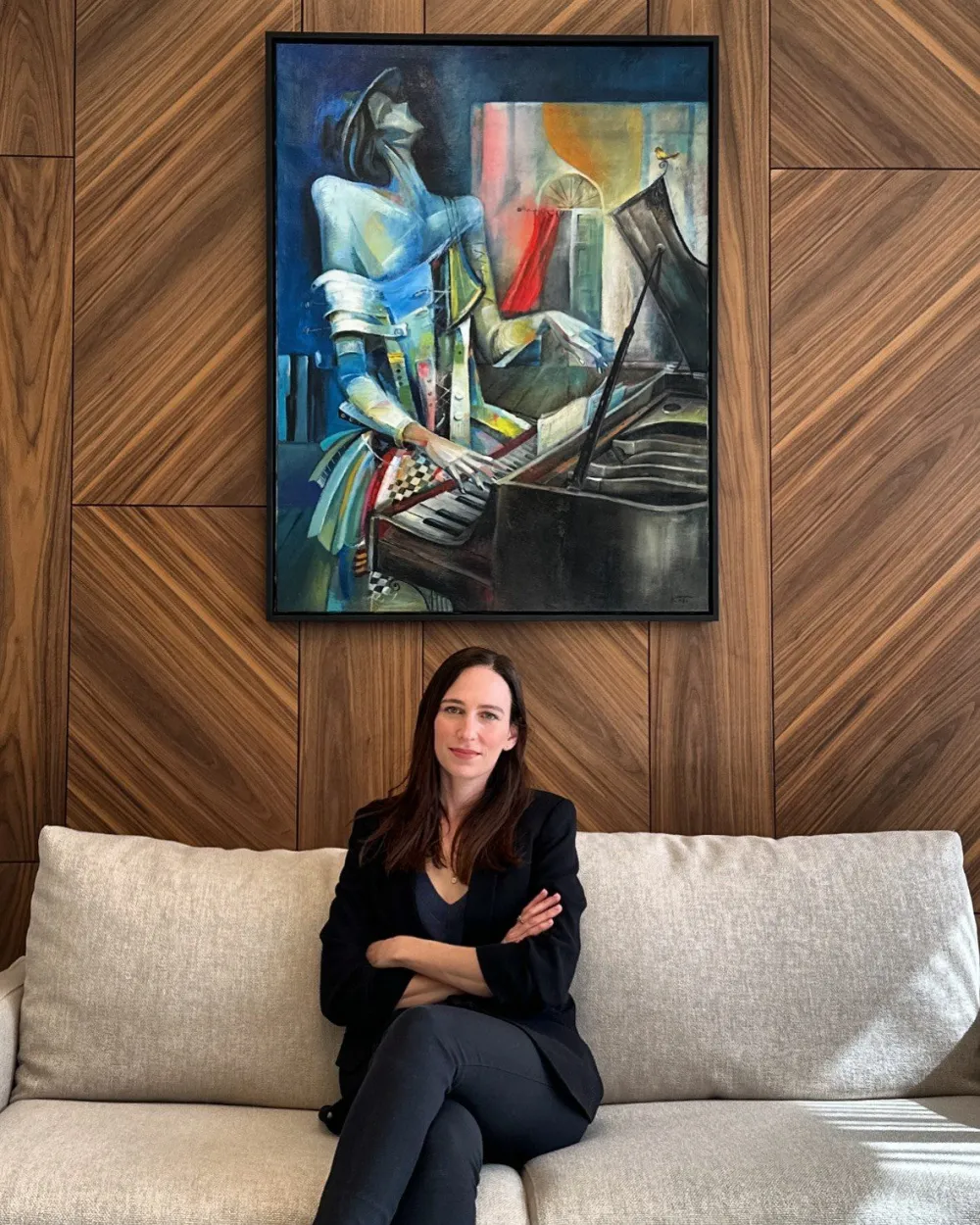
Stav Theodor-Kimhi, founder and art curator
Founder & Art Curator

Art is not an accessory. It is a meeting point between a person and a space. A conversation. An emotion. A reflection of identity.

I founded THEODORA after two decades across the art world: museums, galleries, academia, and years of work alongside leaders in international hospitality, building art concepts and collections for projects from hotels to private homes. That experience taught me one thing above all: the right piece, in the right space, at the right moment, changes how a person sees.

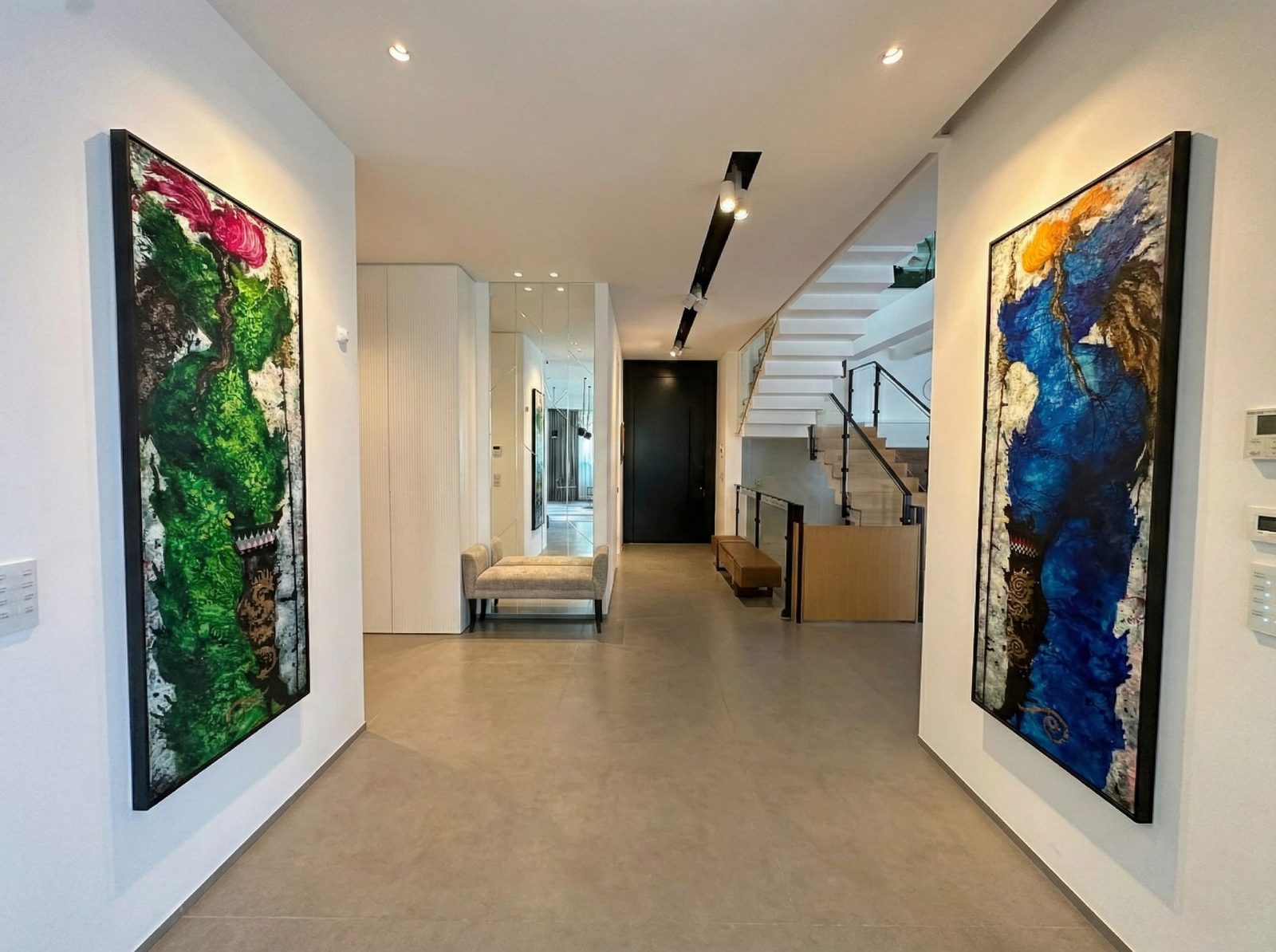
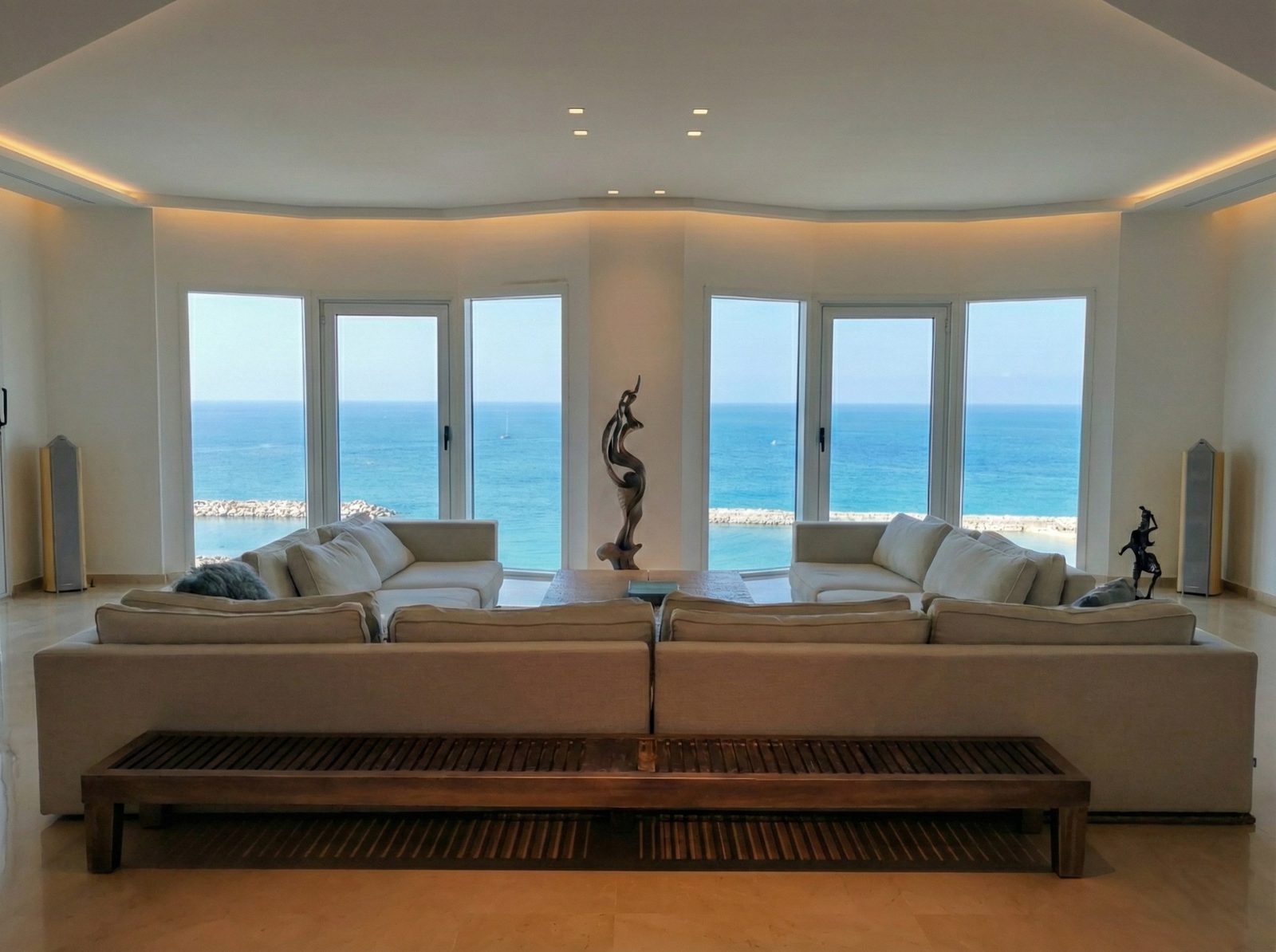
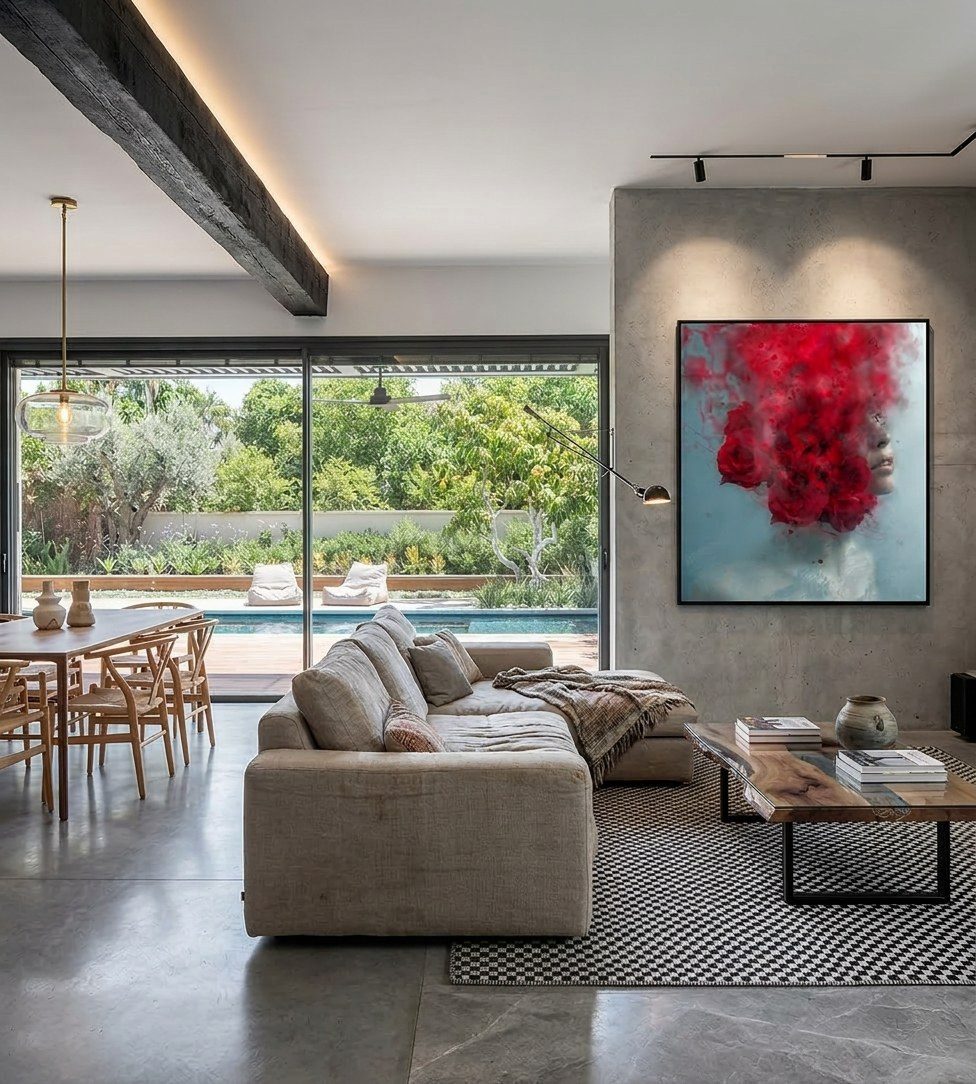
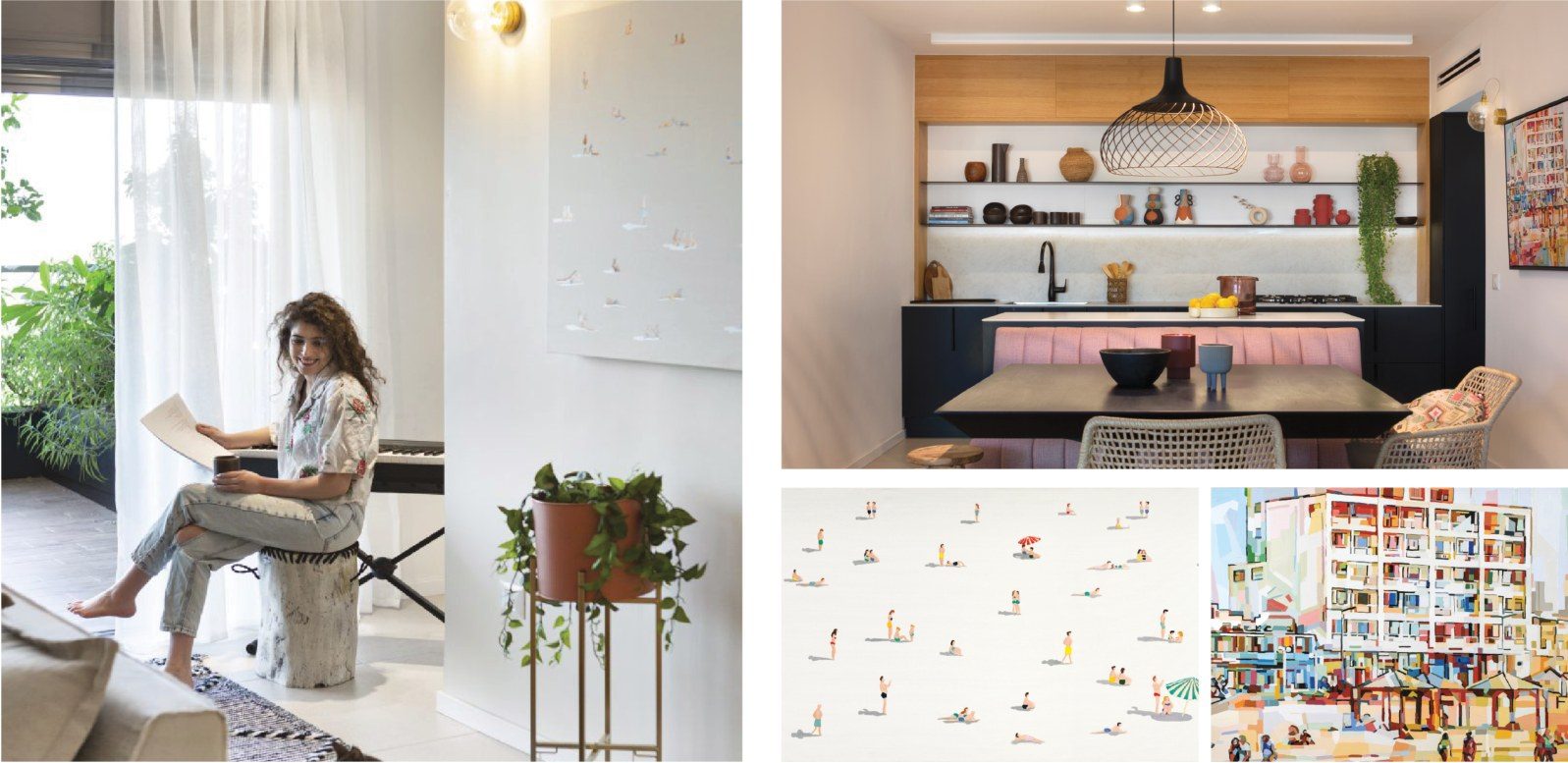
THEODORA exists to help people discover that connection. To find artworks that resonate on a personal level and create spaces that feel meaningful, distinctive, and alive. Recent projects include private residences in Caesarea, Tel Aviv, and Herzliya, large-scale hospitality commissions, and the exhibition Creating Hope.

Our Services

Art Consulting & Curation

From a single artwork to a complete collection

Sourcing & Acquisition

Personalized, through a global network of artists and makers

Commissions & Creative Direction

From first concept to final execution

Production & Installation

Framing and placement, managed end to end


Portfolio

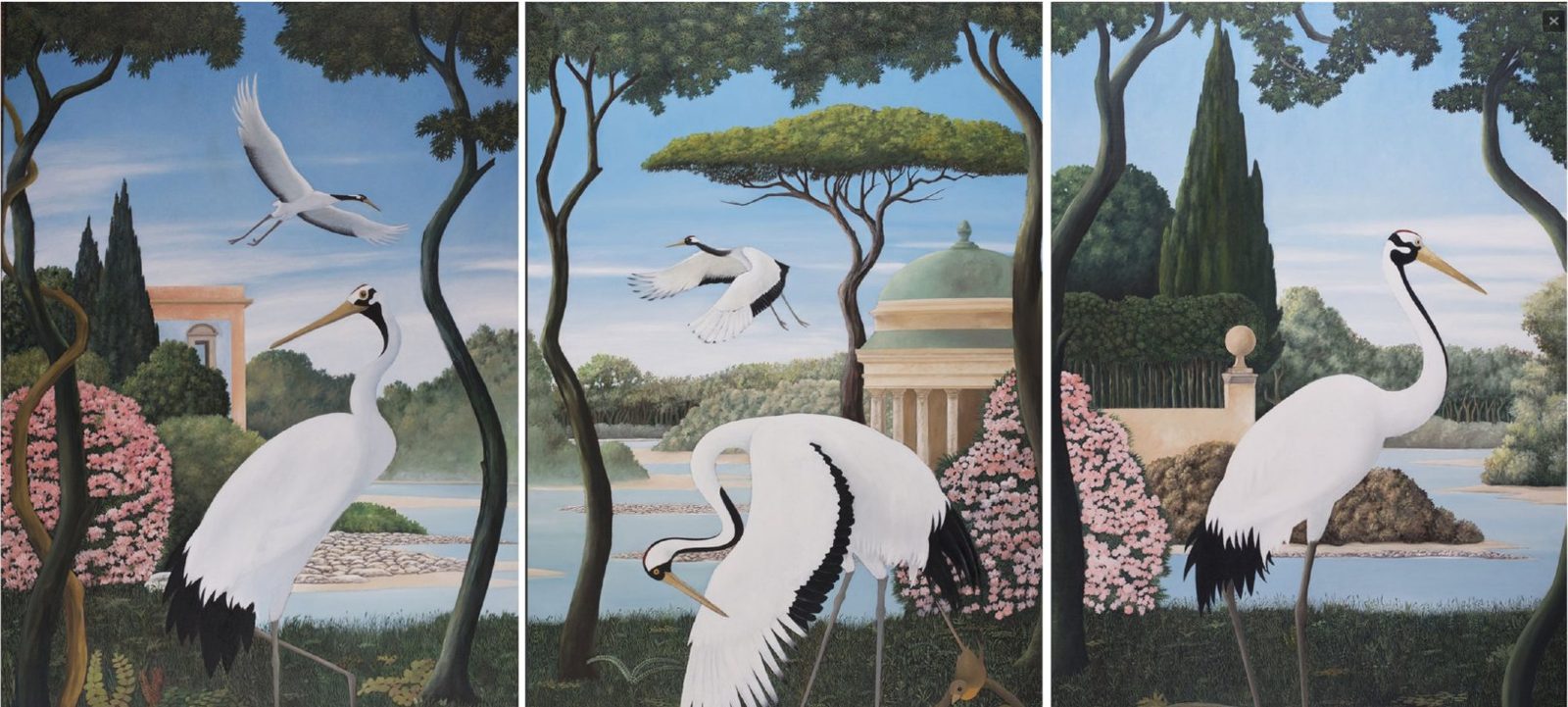
Hotels by the sea, private homes, commissioned works, and the artists behind them. The best introduction to what I do is to see it.

THEODORA portfolio, slide 1 of 40
01 / 40

The Museum

An interactive museum of art history. Zoom through eight centuries of periods and artists on a living timeline, open a placard, and step inside a walkable 3D gallery hung with each artist's real paintings. Every fact and image comes from Wikipedia and Wikimedia Commons.

Enter the Museum

Art Radar

Art Radar began as a WhatsApp group for our community in northern New Jersey and New York: a weekly radar of the exhibitions, gallery openings, public installations, art fairs, and museum events that are truly worth your time. Some weeks it is a long list. Some weeks it is one precise recommendation.

The posts are written in Hebrew and published in the group first. They are collected here in order, each with a full English translation, so you can always come back to them. Most cover exhibitions and events that are open around the date of the post, so the timeline reads like a living calendar of the art season.

Join the WhatsApp Group

The Posts

Hebrew and English · newest first

What to See in July 2026: New York and New Jersey

יולי הוא חודש מצוין להשלים תערוכות לפני שהעיר מתרוקנת. יש כמה שנסגרות בקרוב מאוד.

📅 ב־10 ביולי נסגרות שתי תערוכות חשובות: ב־David Zwirner בצ'לסי, תערוכת הנופים של גרהרד ריכטר (Gerhard Richter: Landschaften), שמציגה ציורים מרהיבים מהשישים ועד היום. וב־Hauser & Wirth, התערוכה האינטימית של פיליפ גסטון (Philip Guston: Life with P.), עם עבודות מהשנים 1964-1978 שעוסקות בנישואיו למשוררת מוסא מק'קים.

🎨 פאול קלה (Paul Klee), אחד האמנים המודרניים המשפיעים ביותר, עבד בסגנונות שונים ופיתח שפה ויזואלית ייחודית. ב־The Jewish Museum מוצגת התערוכה Paul Klee: Other Possible Worlds, שממוקדת בעבודותיו מהעשור האחרון לחייו. אלו כ־100 ציורים ורישומים שנוצרו בתקופה קשה של רדיפות נאציות, גלות כפויה ומחלה קשה, והם מציגים את אחד הפרקים העוצמתיים ביותר אך הפחות נחקרים בקריירה שלו. זו התערוכה המוזיאלית האמריקאית הראשונה שמוקדשת כולה לעבודותיו המאוחרות.
📍 The Jewish Museum, Manhattan
📅 עד ה-26 ביולי

🖼 קרול ראמה (Carol Rama), אמנית איטלקייה שפעלה במגוון מדיומים, יצרה עבודות נועזות ובלתי מצונזרות שרבות מהן נדחו וצונזרו בחייה. ב־Hauser & Wirth מוצגת התערוכה Carol Rama: I See You You See Me, שהיא התערוכה הראשונה של הגלריה עם עבודותיה של ראמה, לאחר שהגלריה לקחה על עצמה את ניהול עזבונה. זו הזדמנות יוצאת דופן להכיר שישה עשורים של יצירה חסרת פשרות.
📍 Hauser & Wirth, Chelsea
📅 עד ה-31 ביולי

📍 ב־The Met ממשיכה להיות מוצגת התערוכה Giacometti in the Temple of Dendur, שבה פסלי הברונזה המוארכים של אלברטו ג'קומטי (Alberto Giacometti) מוצבים בתוך ומסביב למקדש דנדור בן ה־2,000 שנה. זהו דיאלוג מרתק בין יצירה מודרנית לעולם העתיק.
📍 The Met Fifth Avenue, Manhattan
📅 עד ה-8 בספטמבר

✨ ב־Guggenheim Museum נפתחו כעת במלואן גלריות האוסף העכשווי עם התערוכה Guggenheim Pop: 1960 to Now. התערוכה מציעה קריאה מחודשת של אמנות הפופ דרך מורכבותה הפוליטית, החברתית והתקשורתית, ומציגה עבודות של אמנים כמו אנדי וורהול (Andy Warhol) ורוי ליכטנשטיין (Roy Lichtenstein) לצד אמנים עכשוויים המגיבים ליצירתם.
📍 Solomon R. Guggenheim Museum, Manhattan
📅 עד ה-10 בינואר 2027

📍 ב־Whitney Museum of American Art ממשיכה להיות מוצגת הביאנלה של וויטני 2026 (Whitney Biennial 2026), המהדורה ה־82 שלה. היא מציגה עבודות של 56 אמנים וקולקטיבים אמריקאים, ונבנתה סביב תחושה, אווירה וקיום משותף. זהו מדד חשוב למצב האמנות האמריקאית כיום. כחלק מ־West Side Fest, הכניסה למוזיאון תהיה חופשית ב־10 ביולי (17:00-22:00) וב־12 ביולי (10:30-18:00).
📍 Whitney Museum of American Art, Manhattan
📅 עד ה-23 באוגוסט

📷 במונטקלייר, ניו ג'רזי, כחצי שעה מהעיר, נפתחה תערוכה חדשה ומרתקת: Victoria Sambunaris: Transformation of the American Landscape ב־Montclair Art Museum. ויקטוריה סמבונריס (Victoria Sambunaris) היא צלמת תיעודית שיצאה למסע של 25 שנה ברחבי הנוף האמריקאי, ותיעדה בצילומים רחבי היקף את המפגש בין תעשייה, תשתית וטבע. היא עבדה לבדה במשך חודשים, מצלמת במצלמת שדה 5x7 אינץ', והתוצאות מהפנטות.
📍 Montclair Art Museum, Montclair, NJ
📅 עד ה-21 בפברואר 2027

אני באופן אישי הכי מחכה להספיק את התערוכה של פאול קלה לפני שתיסגר.

July is a good month to catch up on exhibitions before the city empties out. A few of them close very soon.

📅 On July 10, two important exhibitions close: at David Zwirner in Chelsea, Gerhard Richter's landscape exhibition (Gerhard Richter: Landschaften), showing magnificent paintings from the sixties to today. And at Hauser & Wirth, Philip Guston's intimate exhibition (Philip Guston: Life with P.), with works from 1964-1978 about his marriage to the poet Musa McKim.

🎨 Paul Klee, one of the most influential modern artists, worked in many styles and developed a unique visual language. The Jewish Museum presents Paul Klee: Other Possible Worlds, focused on the works from the last decade of his life. These are about 100 paintings and drawings created in a harsh period of Nazi persecution, forced exile, and grave illness, and they present one of the most powerful yet least studied chapters of his career. This is the first American museum exhibition devoted entirely to his late work.
📍 The Jewish Museum, Manhattan
📅 Through July 26

🖼 Carol Rama, an Italian artist who worked across many mediums, created bold, unfiltered works, many of which were rejected and censored during her lifetime. Hauser & Wirth presents Carol Rama: I See You You See Me, the gallery's first exhibition of Rama's work, after taking on the management of her estate. It is a rare opportunity to encounter six decades of uncompromising work.
📍 Hauser & Wirth, Chelsea
📅 Through July 31

📍 At The Met, Giacometti in the Temple of Dendur continues, with Alberto Giacometti's elongated bronze sculptures placed in and around the 2,000-year-old Temple of Dendur. A fascinating dialogue between modern work and the ancient world.
📍 The Met Fifth Avenue, Manhattan
📅 Through September 8

✨ At the Guggenheim Museum, the contemporary collection galleries are now fully open with Guggenheim Pop: 1960 to Now. The exhibition offers a fresh reading of Pop art through its political, social, and media complexity, presenting works by artists such as Andy Warhol and Roy Lichtenstein alongside contemporary artists responding to their work.
📍 Solomon R. Guggenheim Museum, Manhattan
📅 Through January 10, 2027

📍 At the Whitney Museum of American Art, the Whitney Biennial 2026 continues, its 82nd edition. It presents works by 56 American artists and collectives, built around mood, atmosphere, and coexistence. It is an important measure of where American art stands today. As part of West Side Fest, admission to the museum will be free on July 10 (5-10 pm) and July 12 (10:30 am-6 pm).
📍 Whitney Museum of American Art, Manhattan
📅 Through August 23

📷 In Montclair, New Jersey, about half an hour from the city, a fascinating new exhibition has opened: Victoria Sambunaris: Transformation of the American Landscape at the Montclair Art Museum. Victoria Sambunaris is a documentary photographer who set out on a 25-year journey across the American landscape, capturing in large-scale photographs the places where industry, infrastructure, and nature meet. She worked alone for months at a time, shooting with a 5x7 inch field camera, and the results are mesmerizing.
📍 Montclair Art Museum, Montclair, NJ
📅 Through February 21, 2027

Personally, I am most looking forward to catching the Paul Klee exhibition before it closes.

Orientalism: Between Fact and Fantasy, at the Met

יש תערוכות שאתה יוצא מהן עם רשימת יצירות שאהבת.

ויש תערוכות שאתה יוצא מהן עם דרך חדשה להסתכל.

זו אחת מהן.

לפני כשבועיים נפתחה במטרופוליטן לראשונה בהיסטוריה תערוכה שעוסקת כולה ברעיון האוריינטליזם: האופן שבו אמנים אירופים במאה ה־19 דמיינו, תיארו וציירו את "המזרח" (המזרח התיכון, צפון אפריקה וחלקים מאסיה). אנשי תרבות ומחקר הוקסמו מהאוריינט, אבל גם יצרו דימוי של מזרח אקזוטי, מסתורי, חושני, ולעיתים גם פראי. לא פעם, הדימוי הזה סיפר לא פחות על אירופה מאשר על המזרח עצמו, שכן הוא שיקף את הסקרנות, הפנטזיות ויחסי הכוח של התקופה, וגם את הדרך שבה אירופה בחרה לראות את ה"אחר". כי בסופו של דבר, כל מבט מספר סיפור לא רק על מה שרואים, אלא גם על מי שמסתכל.

בזמן שהסתובבתי בין העבודות, הראש שלי בכלל נדד הביתה. לשוק מחנה יהודה ולעיר העתיקה בירושלים עיר ילדותי, לאריחים הצבעוניים של יפו והנגב, ולאור השמש הלוהטת והמסנוורת של ישראל. כל מה שעל הקירות כבר לא הרגיש כמו דימוי של מקום רחוק. הוא הרגיש מוכר. לא כי זו הייתה המציאות שלי, אלא כי בחלקם נשקפו מהם שברי נוף שגדלתי לצדם, והם עדיין חיים בזכרון שלי.

זה הביא אותי להרהר בשם התערוכה: Between Fact and Fantasy. פתאום הוא הרגיש כמו הרבה יותר מכותרת.

התערוכה לא מנסה להכריע אם האוריינטליזם היה אמת או פנטזיה, הערכה או התנשאות. היא מראה שכל אלה התקיימו יחד. היא בוחנת את מערכת היחסים המורכבת בין אירופה למזרח בתקופה שבה קולוניאליזם, מסחר, מסעות, התפתחויות טכנולוגיות וחילופי רעיונות התקיימו במקביל והשפיעו זה על זה.

אחד הרגעים שהכי אהבתי היה המפגש עם עבודותיו של עוסמאן חמדי ביי (למעלה), אמן עות'מאני שלמד ציור בפריז בצעירותו, אבל חזר לאיסטנבול וצייר שם את רוב יצירותיו. בשונה מאמנים אירופאים שציירו את המזרח מבחוץ, לפעמים מבלי שביקרו בו כלל, הוא השתמש באותה שפה אמנותית אירופית שספג בפריז כדי לצייר את עולמו שלו.

ברגע הזה כבר אי אפשר לדבר רק על השאלה מי הסתכל על מי. הגבולות מתחילים להתערער.

פתאום כבר אין רק מערב שמביט במזרח.

גם המזרח מתחיל להביט חזרה.

בסופו של דבר, הבנתי שזו לא תערוכה על המזרח.

זו תערוכה על מבטים.

🖼️ Orientalism: Between Fact and Fantasy
📅📍 The Metropolitan Museum of Art
עד 28.2.2027

אחד האמנים המזוהים ביותר עם האוריינטליזם הוא הצייר הצרפתי ז'אן-אוגוסט-דומיניק אנגר. למרות שמעולם לא ביקר במזרח התיכון, הוא בנה את דימוי ה"אוריינט" שלו מתוך דמיון, ספרות וחפצים שהכיר בפריז.

בציורו La Grande Odalisque (1814) הוא מציג אישה עירומה השוכבת בהרמון דמיוני, מוקפת בדים יוקרתיים, מקטרת ומניפה. זה אינו ניסיון לתעד מציאות, אלא פנטזיה אירופית על המזרח.

לעומתו, הנשים של עוסמאן חמדי ביי אינן מצוירות כמושא למבט הגברי. הן קוראות, לומדות, מתפללות ועוסקות בחיי היומיום. הדמויות המרכזיות בסיפור שלהן.

אותה שפה אמנותית. אותה תקופה. אבל השאלה "מי מצייר?" משנה הכל

Jean-Auguste-Dominique Ingres, La Grande Odalisque, 1814, oil on canvas
Jean-Auguste-Dominique Ingres, La Grande Odalisque, 1814
Osman Hamdi Bey, Young Woman Reading, 1880, oil on canvas
Osman Hamdi Bey, Young Woman Reading, 1880

There are exhibitions you leave with a list of works you loved.

And there are exhibitions you leave with a new way of looking.

This is one of those.

About two weeks ago, the Metropolitan opened, for the first time in its history, an exhibition devoted entirely to the idea of Orientalism: the way European artists of the 19th century imagined, described, and painted "the East" (the Middle East, North Africa, and parts of Asia). People of culture and scholarship were fascinated by the Orient, but they also created an image of an East that was exotic, mysterious, sensual, and at times wild. Often, that image said no less about Europe than about the East itself, since it reflected the curiosity, the fantasies, and the power relations of the era, and also the way Europe chose to see the "other". Because in the end, every gaze tells a story not only about what is seen, but also about who is looking.

While I wandered among the works, my mind actually drifted home. To the Mahane Yehuda market and the Old City of Jerusalem, the city of my childhood, to the colorful tiles of Jaffa and the Negev, and to the blazing, blinding sunlight of Israel. Everything on the walls no longer felt like an image of a faraway place. It felt familiar. Not because it was my reality, but because some of the works reflected fragments of landscapes I grew up beside, and they still live in my memory.

That led me to reflect on the exhibition's title: Between Fact and Fantasy. Suddenly it felt like far more than a title.

The exhibition does not try to decide whether Orientalism was truth or fantasy, appreciation or condescension. It shows that all of these existed together. It examines the complex relationship between Europe and the East in a period when colonialism, trade, travel, technological developments, and the exchange of ideas ran in parallel and shaped one another.

One of the moments I loved most was the encounter with the works of Osman Hamdi Bey (above), an Ottoman artist who studied painting in Paris in his youth, but returned to Istanbul and painted most of his works there. Unlike European artists who painted the East from the outside, sometimes without ever having visited it, he used the very European artistic language he absorbed in Paris to paint his own world.

At that moment you can no longer speak only about the question of who was looking at whom. The boundaries begin to blur.

Suddenly it is no longer only the West gazing at the East.

The East begins to gaze back.

In the end, I understood that this is not an exhibition about the East.

It is an exhibition about gazes.

🖼️ Orientalism: Between Fact and Fantasy
📅📍 The Metropolitan Museum of Art
Through February 28, 2027

One of the artists most identified with Orientalism is the French painter Jean-Auguste-Dominique Ingres. Although he never visited the Middle East, he built his image of the "Orient" out of imagination, literature, and objects he knew in Paris.

In his painting La Grande Odalisque (1814) he presents a nude woman reclining in an imaginary harem, surrounded by luxurious fabrics, a pipe, and a fan. It is not an attempt to document reality, but a European fantasy of the East.

By contrast, the women of Osman Hamdi Bey are not painted as objects of the male gaze. They read, study, pray, and go about everyday life. They are the central figures of their own story.

The same artistic language. The same period. But the question "who is painting?" changes everything

Jean-Auguste-Dominique Ingres, La Grande Odalisque, 1814, oil on canvas
Jean-Auguste-Dominique Ingres, La Grande Odalisque, 1814
Osman Hamdi Bey, Young Woman Reading, 1880, oil on canvas
Osman Hamdi Bey, Young Woman Reading, 1880

Giacometti at the Temple of Dendur, the Met

לפני 60 שנה בדיוק הלך לעולמו הפסל השווייצרי אלברטו ג'קומטי. פסליו, שהפכו לאחד הסמלים המזוהים ביותר עם הפיסול המודרני, עיצבו מחדש את האופן שבו אנחנו חושבים על הדמות האנושית.

ג'קומטי היה אמן מצליח כבר בחייו, אך בעשור וחצי האחרון זינק ערכן של עבודותיו, וחלק מפסליו נמכרו ביותר מ-100 מיליון דולר. דמויותיו האנושיות - דקות, מאורכות ושבריריות - הפכו לסימן ההיכר שלו, אך עבורו הן מעולם לא היו רק סגנון. הן היו הדרך לחקור את אחת השאלות שהעסיקו אותו לאורך כל חייו: מהו ייצוג אנושי? עם זאת, לדמויות שלו לא ניתנו מאפיינים מזהים. הן אינן משויכות לגיל, למעמד חברתי או למוצא אתני. הן אוניברסליות, על-זמניות, ומצליחות לייצג את האדם באשר הוא.

לפני כשבועיים נפתחה במוזיאון המטרופוליטן בניו יורק אחת התערוכות המסקרנות של הקיץ: 17 פסלים של ג'קומטי הוצבו בתוך ומסביב למקדש דנדור, אחד החללים המרשימים ביותר במוזיאון.

הבחירה אינה מקרית.

השפה הפיסולית של ג'קומטי נולדה, במידה רבה, מתוך היכרות עמוקה עם אמנות מצרים העתיקה. כשהגיע לפריז בשנות ה־20, הוא בילה שעות ארוכות בגלריות המצריות של מוזיאון הלובר. הרישומים והמחקרים שלו מאותה תקופה מעידים על עיסוק מתמשך באופן שבו המצרים תיארו את הגוף האנושי: דמויות מונומנטליות, סמליות, אך בו בזמן מלאות בנוכחות אנושית.

כעת, בתוך מקדש מצרי מהמאה הראשונה לפני הספירה, ניצבות 17 יצירות של ג'קומטי, ובהן Woman Walking (1932) ופסלים מסדרת Women of Venice (1956). הדמויות המאורכות שלו ניצבות מול הדמויות החקוקות באבן המקדש, ונוצר דיאלוג מרתק בין שני עולמות אמנותיים המרוחקים זה מזה אלפי שנים, אך עוסקים באותה שאלה בסיסית- כיצד מייצגים את האדם.

כפי שאמרה אוצרת קרן ג'קומטי בפריז:
"האמנות המצרית הדהדה עם חיפושו המתמיד של ג'קומטי אחר מונומנטליות ואנושיות בו-זמנית."

זו אינה רק תערוכת פסלים. זו חוויה של חלל, אור וקנה מידה, שבה כל תנועה של המבקר משנה את מערכת היחסים בין העבודות לבין המקדש.

גם אם כבר ביקרתם במטרופוליטן בעבר, זו הזדמנות נדירה לראות את אחד החללים האייקוניים ביותר שלו מזווית חדשה.

📍 The Met Fifth Avenue, ניו יורק
📅 עד 8 בספטמבר, 2026

Alberto Giacometti, Walking Woman, a slender black bronze figure standing on a white plinth inside the Temple of Dendur, the Metropolitan Museum of Art
Alberto Giacometti, Walking Woman, inside the Temple of Dendur. The Metropolitan Museum of Art, New York.

Exactly 60 years ago, the Swiss sculptor Alberto Giacometti passed away. His sculptures, which became one of the most recognizable symbols of modern sculpture, reshaped the way we think about the human figure.

Giacometti was already a successful artist in his lifetime, but over the past decade and a half the value of his works has soared, and some of his sculptures have sold for more than $100 million. His human figures, thin, elongated, and fragile, became his signature, but for him they were never just a style. They were his way of exploring one of the questions that occupied him throughout his life: what is human representation? And yet his figures were given no identifying features. They belong to no age, social class, or ethnicity. They are universal, timeless, and manage to represent the human being as such.

About two weeks ago, one of the most intriguing exhibitions of the summer opened at the Metropolitan Museum in New York: 17 Giacometti sculptures installed inside and around the Temple of Dendur, one of the museum's most impressive spaces.

The choice is not accidental.

Giacometti's sculptural language was born, to a large extent, out of a deep familiarity with ancient Egyptian art. When he arrived in Paris in the 1920s, he spent long hours in the Egyptian galleries of the Louvre. His drawings and studies from that period show an ongoing engagement with the way the Egyptians depicted the human body: monumental, symbolic figures that are at the same time full of human presence.

Now, inside an Egyptian temple from the first century BCE, stand 17 of Giacometti's works, among them Woman Walking (1932) and sculptures from the Women of Venice series (1956). His elongated figures face the figures carved into the temple's stone, and a fascinating dialogue emerges between two artistic worlds thousands of years apart, both engaged with the same basic question: how do we represent the human being.

As the curator of the Giacometti Foundation in Paris put it:
"Egyptian art resonated with Giacometti's constant search for monumentality and humanity at once."

This is not just an exhibition of sculptures. It is an experience of space, light, and scale, in which every movement of the visitor changes the relationship between the works and the temple.

Even if you have visited the Met before, this is a rare opportunity to see one of its most iconic spaces from a new angle.

📍 The Met Fifth Avenue, New York
📅 Through September 8, 2026

Alberto Giacometti, Walking Woman, a slender black bronze figure standing on a white plinth inside the Temple of Dendur, the Metropolitan Museum of Art
Alberto Giacometti, Walking Woman, inside the Temple of Dendur. The Metropolitan Museum of Art, New York.

Fresh Paint Art Fair, Tel Aviv

היי כולם,

הפוסט של היום מוקדש לחברי הקהילה שנמצאים בישראל 🇮🇱

היום נפתח יריד צבע טרי, אחד מאירועי האמנות שאני הכי אוהבת ומחכה להם בכל שנה. השנה מציין היריד את שנתו ה־14, והוא ממשיך להיות אחד האירועים המסקרנים והמשפיעים ביותר בשדה האמנות והעיצוב הישראלי.

בתור מי שעוקבת אחרי עולם האמנות כבר שנים, אחד הדברים שאני הכי אוהבת בצבע טרי הוא האפשרות לגלות אמנים ישראלים שעדיין לא נמצאים בכל רדאר. לא פעם אני פוגשת שם יוצרים בתחילת דרכם, ואז כמה שנים מאוחר יותר רואה אותם מציגים בגלריות מובילות, במוזיאונים ובאוספים פרטיים. מבחינתי, זו אחת הסיבות שהיריד הזה נשאר כל כך רלוונטי ומרגש גם אחרי כל כך הרבה שנים.

מעבר לעבודות עצמן, צבע טרי הוא מקום שבו אפשר להרגיש את הדופק של הסצנה המקומית, לראות מה מעסיק אמנים היום, אילו חומרים ורעיונות תופסים מקום, ואיך אמנות מגיבה למציאות שסביבה. לצד אמנות עכשווית תמצאו גם עיצוב, פרויקטים מיוחדים, יוזמות חברתיות ושיתופי פעולה שמרחיבים את השיחה מעבר לקירות הגלריה.

אם אתם נמצאים בישראל בימים הקרובים, אוהבים אמנות, מתעניינים באיסוף, או פשוט נהנים לגלות יוצרים חדשים- אני ממליצה בחום לקפוץ לביקור.

ואם אתם מגיעים, ספרו לי אילו עבודות או אמנים תפסו לכם את העין 🎨✨
היריד יתקיים עד ה-29 ביוני.
freshpaint.co.il

Fresh Paint 2026, the art and design fair, Tel Aviv, June 24–29, Tachana Technit
Fresh Paint 2026, Tachana Technit, Tel Aviv. June 24–29, 2026.

Hi everyone,

Today's post is dedicated to the members of our community who are in Israel 🇮🇱

Fresh Paint opens today, one of the art events I love most and look forward to every year. This year the fair marks its 14th edition, and it continues to be one of the most intriguing and influential events in the Israeli art and design field.

As someone who has been following the art world for years, one of the things I love most about Fresh Paint is the chance to discover Israeli artists who are not yet on every radar. More than once I have met artists there at the very start of their careers, and then, a few years later, seen them showing in leading galleries, museums, and private collections. For me, that is one of the reasons this fair remains so relevant and exciting after so many years.

Beyond the works themselves, Fresh Paint is a place where you can feel the pulse of the local scene, see what is occupying artists today, which materials and ideas are taking hold, and how art responds to the reality around it. Alongside contemporary art you will also find design, special projects, social initiatives, and collaborations that expand the conversation beyond the gallery walls.

If you are in Israel in the coming days, love art, are interested in collecting, or simply enjoy discovering new artists, I warmly recommend a visit.

And if you go, tell me which works or artists caught your eye 🎨✨
The fair runs through June 29.
freshpaint.co.il

Fresh Paint 2026, the art and design fair, Tel Aviv, June 24–29, Tachana Technit
Fresh Paint 2026, Tachana Technit, Tel Aviv. June 24–29, 2026.

Three Exhibitions in New York

היום אני רוצה להמליץ לכם על שלוש תערוכות שוות במיוחד בניו יורק, שכל אחת מהן עושה שימוש במסורת אמנותית היסטורית אחרת כדי לעסוק בשאלות עכשוויות. למרות ההבדלים (העצומים, יש לומר) ביניהן, שלושתן מדגימות כיצד שפות חזותיות מן העבר יכולות להישאר רלוונטיות, חיות ומעוררות מחשבה גם היום.

🌺 Fred Tomaselli | Blooms Disrupted

📍 James Cohan Gallery
🗓️ עד 27 ביוני 2026

בתערוכה החדשה שלו, Blooms Disrupted, פרד טומאסלי לוקח את רעיון הגן ומפרק אותו לכדי עולם חזותי כמעט פסיכדלי. העבודות נוצרו בהשראת הגן שתכנן רוברט אירווין במוזיאון Getty בלוס אנג'לס. אירווין ראה בגן יצירת אמנות חיה ולא רק עיצוב נוף, והרעיון של שינוי מתמיד ותפיסה חזותית משתנה מהדהד גם בעבודותיו של טומאסלי.

הציורים מתפוצצים בצבע, בדפוסים חוזרים ובצורות גיאומטריות, ונעים ללא הרף בין סדר לכאוס. התוצאה היא קומפוזיציות קלידוסקופיות המשלבות מוטיבים מהטבע יחד עם מבנים מופשטים ויוצרות תחושת תנועה כמעט היפנוטית.

לצד הציורים מוצגים גם קולאז'ים המבוססים על עמודי ה-New York Times. החיבור בין עולם החדשות היומיומי לבין נוף דמיוני וצמחי מעלה שאלות על היחסים בין טבע, מידע ורעש תקשורתי בעידן הנוכחי.

Fred Tomaselli, a kaleidoscopic collage built from New York Times pages with a tree and bright flowers on a blue ground Fred Tomaselli, a psychedelic flower garden of stars and blooms against a blue sky
Fred Tomaselli, Blooms Disrupted, James Cohan Gallery, New York.
Aerial view of Robert Irwin's Central Garden at the Getty Center, with its circular maze of azaleas in a reflecting pool
Robert Irwin, Central Garden, Getty Center, Los Angeles. The inspiration for the series.

🌄 Whitney Bedford

📍 Miles McEnery Gallery
🗓️ עד 20 ביוני 2026

ויטני בדפורד, אמנית אמריקאית המתגוררת בלוס אנג'לס, היא דוגמא מצוינת לרומנטיקה עכשווית (המושפעת מהזרם הרומנטי של המאה ה-19). בדפורד משלבת בין מסורת ציור הנוף הקלאסי לבין שפה ציורית המאופיינת בהשטחת החלל ובצמצום העומק הפרספקטיבי. היא שואבת השראה מציורי רנסנס ומנופי עבר אידיליים, אך במהרה חודרים אליהם סימנים מובהקים של ההווה: שקיעות ניאון, כבישים, צורות גיאומטריות, אדריכלות עכשווית ועצי הדקל של דרום קליפורניה.

התוצאה היא נוף שנע בין יופי לרמז מתמיד של אי-יציבות. לצד הרומנטיקה של הטבע נוכחת תחושת משבר סביבתי, המושפעת גם מהשריפות הגדולות שפקדו את לוס אנג'לס בינואר 2025. בדפורד משתמשת בנוף לא רק כנושא ציורי, אלא ככלי לחשיבה על האופן שבו שינויי האקלים משנים את מערכת היחסים שלנו עם הסביבה הטבעית.

Whitney Bedford, a landscape with a willow tree under a pink sky, framed by neon geometric lines
Whitney Bedford, Miles McEnery Gallery, New York.

🪞 Arghavan Khosravi | What Remains

📍 Uffner & Liu Gallery
🗓️ עד 2 ביולי 2026

אחרונה חביבה ובעיני הכי מעניינת היא התערוכה What Remains של האמנית האיראנית ארגוואן חוסראווי. חוסראווי בונה עולם שנראה כמו חלום רב-שכבתי; היא משלבת בין מסורת המיניאטורה הפרסית לבין מבנים המזוהים עם יצירות מזבח אירופיות מימי הביניים, ויוצרת קומפוזיציות עשירות שבהן גילוי והסתרה מתקיימים בו-זמנית. דלתות, וילונות וחבלים מופיעים שוב ושוב בעבודותיה, מסתירים חלקים מהדימוי וחושפים אחרים. דמויות נשיות רבות נראות רק באופן חלקי, כאילו הן לכודות בין נוכחות להיעדר.

חוסראווי, שחיה ופועלת כיום בקונטיקט, משתמשת בשפה החזותית הזו כדי לחקור את חוויית החיים של נשים תחת מערכות פוליטיות, תרבותיות ודתיות מגבילות, ואת המתח המתמיד בין נראות, שליטה וחופש.

Arghavan Khosravi, female figures partly hidden behind a curtain beside an arched altarpiece-like panel
Arghavan Khosravi, What Remains, Uffner & Liu Gallery, New York.

שלוש תערוכות, שלוש שפות חזותיות מן העבר, ושלוש דרכים שונות להביט דרכן על ההווה. איזו מהן הכי מסקרנת אתכם? 🤍

Today I want to recommend three especially worthwhile exhibitions in New York, each of which uses a different historical artistic tradition to engage with contemporary questions. Despite the differences between them (enormous ones, it must be said), all three show how visual languages from the past can remain relevant, alive, and thought provoking today.

🌺 Fred Tomaselli | Blooms Disrupted

📍 James Cohan Gallery
🗓️ Through June 27, 2026

In his new exhibition, Blooms Disrupted, Fred Tomaselli takes the idea of the garden and breaks it apart into an almost psychedelic visual world. The works were inspired by the garden Robert Irwin designed at the Getty Museum in Los Angeles. Irwin saw the garden as a living work of art and not merely landscape design, and that idea of constant change and shifting visual perception echoes through Tomaselli's works as well.

The paintings explode with color, repeating patterns, and geometric forms, moving ceaselessly between order and chaos. The result is kaleidoscopic compositions that weave motifs from nature together with abstract structures, creating an almost hypnotic sense of motion.

Alongside the paintings are collages built from pages of the New York Times. The joining of the everyday news world with an imagined, botanical landscape raises questions about the relationship between nature, information, and media noise in the current era.

Fred Tomaselli, a kaleidoscopic collage built from New York Times pages with a tree and bright flowers on a blue ground Fred Tomaselli, a psychedelic flower garden of stars and blooms against a blue sky
Fred Tomaselli, Blooms Disrupted, James Cohan Gallery, New York.
Aerial view of Robert Irwin's Central Garden at the Getty Center, with its circular maze of azaleas in a reflecting pool
Robert Irwin, Central Garden, Getty Center, Los Angeles. The inspiration for the series.

🌄 Whitney Bedford

📍 Miles McEnery Gallery
🗓️ Through June 20, 2026

Whitney Bedford, an American artist living in Los Angeles, is an excellent example of contemporary Romanticism (influenced by the Romantic movement of the 19th century). Bedford combines the classical landscape painting tradition with a painterly language marked by flattened space and reduced perspectival depth. She draws inspiration from Renaissance paintings and idyllic landscapes of the past, but unmistakable signs of the present soon break into them: neon sunsets, roads, geometric shapes, contemporary architecture, and the palm trees of Southern California.

The result is a landscape that moves between beauty and a persistent hint of instability. Alongside the romance of nature there is a sense of environmental crisis, shaped in part by the great fires that struck Los Angeles in January 2025. Bedford uses landscape not only as a painterly subject but as a tool for thinking about how climate change is reshaping our relationship with the natural environment.

Whitney Bedford, a landscape with a willow tree under a pink sky, framed by neon geometric lines
Whitney Bedford, Miles McEnery Gallery, New York.

🪞 Arghavan Khosravi | What Remains

📍 Uffner & Liu Gallery
🗓️ Through July 2, 2026

Last but not least, and to my mind the most interesting, is What Remains by the Iranian artist Arghavan Khosravi. Khosravi builds a world that looks like a many layered dream; she combines the Persian miniature tradition with structures associated with medieval European altarpieces, creating rich compositions in which revealing and concealing happen at the same time. Doors, curtains, and ropes appear again and again in her works, hiding parts of the image and exposing others. Many female figures are only partly visible, as if caught between presence and absence.

Khosravi, who now lives and works in Connecticut, uses this visual language to explore the experience of women living under restrictive political, cultural, and religious systems, and the constant tension between visibility, control, and freedom.

Arghavan Khosravi, female figures partly hidden behind a curtain beside an arched altarpiece-like panel
Arghavan Khosravi, What Remains, Uffner & Liu Gallery, New York.

Three exhibitions, three visual languages from the past, and three different ways of looking through them at the present. Which one intrigues you most? 🤍

David Hockney, 1937–2026

אתמול הלך לעולמו אחד האמנים האיקוניים והמשפיעים ביותר של תקופתנו, האמן הבריטי דייויד הוקני.
הוקני יצר למעלה משישה עשורים והמשיך לעבוד כמעט עד ליומו האחרון.

לאורך הקריירה שלו הוא לא הפסיק להתחדש, לחקור ולדחוף את גבולות המדיום; מציור ורישום, דרך צילום והדפס, ועד יצירה דיגיטלית באייפד.

הוא התפרסם בזכות השפה הוויזואלית הייחודית שלו: צבעוניות עזה, אור קליפורני מסנוור, קומפוזיציות נועזות, ובעיקר סדרת ציורי הבריכות האיקונית שלו, שהפכה לחלק בלתי נפרד מהקאנון של האמנות המודרנית.

אבל מעבר לאסתטיקה המזוהה איתו, הוקני היה אמן של התבוננות. אמן שפעל In situ וידע לקחת רגעים יומיומיים, נוף, אור או אינטימיות אנושית, ולהפוך אותם לחוויה חזותית עמוקה ובלתי נשכחת.

המורשת שלו היא תזכורת לכך שאמנות גדולה לא רק מתעדת את העולם, היא משנה את הדרך שבה אנחנו רואים אותו.

David Hockney, Portrait of an Artist (Pool with Two Figures), 1972
David Hockney, Portrait of an Artist (Pool with Two Figures), 1972. Image via Christie's.

Yesterday we lost one of the most iconic and influential artists of our time, the British artist David Hockney.
Hockney created for more than six decades and kept working almost until his very last day.

Throughout his career he never stopped reinventing himself, exploring, and pushing the boundaries of the medium; from painting and drawing, through photography and printmaking, to digital work on the iPad.

He became famous for his singular visual language: intense color, dazzling California light, bold compositions, and above all his iconic series of pool paintings, which became an inseparable part of the canon of modern art.

But beyond the aesthetic identified with him, Hockney was an artist of observation. An artist who worked in situ and knew how to take everyday moments, a landscape, light, or human intimacy, and turn them into a deep and unforgettable visual experience.

His legacy is a reminder that great art does not merely document the world, it changes the way we see it.

David Hockney, Portrait of an Artist (Pool with Two Figures), 1972
David Hockney, Portrait of an Artist (Pool with Two Figures), 1972. Image via Christie's.

Fifth Avenue, Where Jewelry Meets Art

יש סוד קטן לעולם האמנות של ניו יורק: חלק מהאמנות העכשווית המסקרנת ביותר בעיר בכלל לא מוצגת במוזיאונים או בגלריות, אלא מסתתרת דווקא בחנויות התכשיטים היוקרתיות של השדרה החמישית ✨

המוסד הראשון הוא תכשיטי טיפאני. כבר מראשית דרכה, טיפאני לקחה חלק פעיל בעולם האמנות. המייסד, צ'ארלס טיפאני, היה פטרון של מוזיאון המטרופוליטן וממייסדי אגודת האמנויות היפות של ניו יורק. בנו, לואיס טיפאני, היה מהאמנים המרכזיים של זרם האר נובו האמריקאי. מכירים את מנורות טיפאני? 🙂

בחנות הדגל של טיפאני בשדרה החמישית תוכלו למצוא אוסף אמנות מרשים במיוחד, כולל הציור המפורסם של בסקיאט מהקמפיין של ביונסה וג'יי זי. לצידה מוצגות עבודות של אמנים אמריקאים מובילים כמו ג'יימס טורל (שבאמת שווה פוסט בפני עצמו), ראשיד ג'ונסון ועוד.

יחסי הגומלין בין אמנות לתכשיטי יוקרה לא נעצרים בטיפאני. גם המותג האיטלקי בולגרי מתהדר בקשר הדוק לעולם האמנות. החברה הפכה החל מהשנה לשותפה רשמית של הביאנלה בונציה, היא תומכת באמנים צעירים ותורמת רבות לשימור עתיקות ברומא.

אבל, החיבור המסקרן ביותר הוא לאמן הפופ אנדי וורהול. התכשיטים של בולגרי בשנות ה-70 וה-80 הושפעו ישירות מפופ ארט, ו-וורהול עצמו היה אובססיבי למותג ואספן נלהב של תכשיטים. הוא אמר פעם: “כשאני ברומא, אני תמיד מבקר בבולגרי. זה המוזיאון החשוב ביותר לאמנות עכשווית.” זו אמירה מעניינת, כי היא מערערת על ההפרדה שאנחנו רגילים לעשות בין אמנות, עיצוב, אופנה ואובייקטים של תשוקה. עבור וורהול, הגבולות האלה היו מטושטשים ממילא.

עוד חיבור לאמנות מתקיים במותג שאנל. קוקו שאנל הייתה אספנית אובססיבית של אמנות ועתיקות. הדירה האגדית שלה בפריז הייתה מלאה בחפצי אמנות ותרבות שאספה. באותה תקופה, אספנות של אמנות וחפצים מהמזרח נחשבה לשיא התחכום התרבותי והייתה חלק משמעותי מהשפעות המודרניזם המערבי- תופעה שהחלה כבר במאה ה־19 והמשיכה עמוק אל תוך המאה ה־20. הטעם האקלקטי הזה נוכח גם בחלל התכשיטים של שאנל כיום: חלק מהאוסף מוצג בחלל הציבורי הפתוח לקהל, וחלקו שמור ללקוחות פרטיים בחדרים האינטימיים שבקומה העליונה.

זה אולי נשמע מפתיע, אבל אולי זה רק מוכיח שאמנות, עיצוב ויוקרה תמיד היו שזורים זה בזה.

האם הופתעתם מהחיבור בין שני העולמות? 💎🖼️

אנקדוטה קצרה: וורהול הציע פעם לניקולה בולגרי, נכדו של מייסד הבית, כמה מהציורים שלו בתמורה לתכשיטים של בולגרי. בולגרי סירב, ולימים הודה שזו הייתה העסקה הגרועה בחייו 😅 לכן, כשהחנות נפתחה מחדש ב 2017 נתלו בה שלושה הדפסים של וורהול באיזור ה VIP.

Beyonce and Jay-Z with a Basquiat painting in the Tiffany campaign Artworks inside the Tiffany flagship on Fifth Avenue A Tiffany stained glass lamp Warhol Venus prints displayed in a jewelry store The Chanel salon with Coromandel screens
As shared with the original post.

New York's art world has a little secret: some of the most intriguing contemporary art in the city is not shown in museums or galleries at all, but hides in the luxury jewelry houses of Fifth Avenue ✨

The first institution is Tiffany. From its earliest days, Tiffany has taken an active part in the art world. Its founder, Charles Tiffany, was a patron of the Metropolitan Museum and a founding member of New York's fine arts society. His son, Louis Tiffany, was one of the central artists of American Art Nouveau. Know the Tiffany lamps? 🙂

In Tiffany's Fifth Avenue flagship you will find an especially impressive art collection, including the famous Basquiat painting from the Beyonce and Jay-Z campaign. Alongside it are works by leading American artists such as James Turrell (who truly deserves a post of his own), Rashid Johnson, and more.

The interplay between art and fine jewelry does not stop at Tiffany. The Italian house Bulgari also boasts a close bond with the art world. As of this year the company has become an official partner of the Venice Biennale, it supports young artists, and it contributes substantially to the preservation of antiquities in Rome.

But the most intriguing connection is to the Pop artist Andy Warhol. Bulgari's jewelry of the 70s and 80s was directly influenced by Pop Art, and Warhol himself was obsessed with the brand and an avid collector of jewelry. He once said: “When I'm in Rome, I always visit Bulgari. It is the most important museum of contemporary art.” It is an interesting statement, because it unsettles the separation we usually make between art, design, fashion, and objects of desire. For Warhol, those boundaries were blurred anyway.

Another connection to art lives at Chanel. Coco Chanel was an obsessive collector of art and antiques. Her legendary Paris apartment was filled with art and cultural objects she collected. In that era, collecting art and objects from the East was considered the height of cultural sophistication and was a significant part of the influences on Western modernism, a phenomenon that began in the 19th century and continued deep into the 20th. That eclectic taste is present in Chanel's jewelry space today: part of the collection is displayed in the public space open to visitors, and part is reserved for private clients in the intimate rooms on the upper floor.

It may sound surprising, but perhaps it only proves that art, design, and luxury have always been interwoven.

Were you surprised by the connection between the two worlds? 💎🖼️

A short anecdote: Warhol once offered Nicola Bulgari, grandson of the house's founder, several of his paintings in exchange for Bulgari jewelry. Bulgari refused, and years later admitted it was the worst deal of his life 😅 Which is why, when the store reopened in 2017, three Warhol prints were hung in the VIP area.

Beyonce and Jay-Z with a Basquiat painting in the Tiffany campaign Artworks inside the Tiffany flagship on Fifth Avenue A Tiffany stained glass lamp Warhol Venus prints displayed in a jewelry store The Chanel salon with Coromandel screens
As shared with the original post.

Clinamen at Park Avenue Armory

🎶 Clinamen | סלסט בורסייה-מוז'נו ב–Park Avenue Armory 🎶

מחר נפתחת בניו יורק אחת העבודות המהפנטות והמדוברות של השנים האחרונות: Clinamen של האמן, המוזיקאי והמלחין הצרפתי Céleste Boursier-Mougenot.

במרכז המיצב ניצבים אגנים עצומים מלאים במים, שעל פניהם צפות מאות קערות קרמיקה לבנות. זרם עדין מניע אותן באיטיות, וכאשר הן נפגשות זו בזו הן מפיקות צלילים עדינים ובלתי צפויים. התנודות האקוסטיות הללו, ללא כל התערבות של מבצע, הן לב לבה של היצירה; סימפוניה אמיתית של הרגע, המתפתחת עם זרימה של גלים בלתי נראים.

ביצירה הצליל הופך לחומר חי והמבקר מוזמן להשתתף באופן פעיל בחוויה. שמה של העבודה, Clinamen, לקוח מהפיזיקה האפיקוראית ומתאר את הסטייה האקראית של אטומים- רעיון המשקף את אופייה המשתנה של מיצג האמנות. כל תנועה של המים יוצרת מפגש חדש בין הקערות, וכל מפגש מוליד צליל אחר. כך נבנית סימפוניה חיה שאינה חוזרת על עצמה לעולם.

העבודה ממשיכה את עיסוקו רב השנים של בורסייה-מוז'נו בגבול שבין אמנות, מוזיקה וחוויה חושית. חפצים יומיומיים מקבלים כאן תפקיד חדש, והצליל הופך לחומר פיסולי של ממש. המבקרים מוזמנים לשוטט בחלל, להאט את הקצב, ולהתמסר לרגע שבו הזמן נדמה כמעט כמושעה.

בגרסה החדשה המוצגת ב־Park Avenue Armory, המיצב ממלא את חלל ה־Drill Hall העצום והופך אותו לנוף אקוסטי ומדיטטיבי, שבו מים, קרמיקה, אדריכלות ונוכחות אנושית נפגשים לדיאלוג עדין ומתמשך.

📍 Park Avenue Armory, New York
📅 10 ביוני – 26 באוגוסט 2026

זו אחת מאותן עבודות שקשה להסביר במילים! צריך פשוט להיות שם, להקשיב, ולהיסחף. ✨

חווייה מומלצת גם לילדים! 😊

Clinamen in motion, Bourse de Commerce – Pinault Collection, Paris. Video via YouTube.

🎶 Clinamen | Celeste Boursier-Mougenot at Park Avenue Armory 🎶

Tomorrow, one of the most hypnotic and talked about works of recent years opens in New York: Clinamen by the French artist, musician, and composer Céleste Boursier-Mougenot.

At the center of the installation stand enormous basins filled with water, on whose surface float hundreds of white ceramic bowls. A gentle current moves them slowly, and when they meet one another they produce delicate, unexpected sounds. These acoustic chimes, without any performer's intervention, are the very heart of the work; a true symphony of the moment, unfolding with the flow of invisible waves.

In this work, sound becomes living material and the visitor is invited to take an active part in the experience. The work's title, Clinamen, is taken from Epicurean physics and describes the random swerve of atoms, an idea that mirrors the ever changing nature of the installation. Every movement of the water creates a new encounter between the bowls, and every encounter gives birth to a different sound. In this way a living symphony is built, one that never repeats itself.

The work continues Boursier-Mougenot's long engagement with the border between art, music, and sensory experience. Everyday objects take on a new role here, and sound becomes genuinely sculptural material. Visitors are invited to wander through the space, slow down, and give themselves over to a moment in which time feels almost suspended.

In the new version presented at Park Avenue Armory, the installation fills the enormous Drill Hall and turns it into an acoustic, meditative landscape in which water, ceramics, architecture, and human presence meet in a delicate, ongoing dialogue.

📍 Park Avenue Armory, New York
📅 June 10 through August 26, 2026

This is one of those works that is hard to explain in words! You simply have to be there, listen, and drift. ✨

A recommended experience for kids too! 😊

Clinamen in motion, Bourse de Commerce – Pinault Collection, Paris. Video via YouTube.

Living With Art, at the Montclair Art Museum

הפעם אני לוקחת אותנו קצת יותר קרוב לבית, אל העיירה מונטקלייר, חצי שעה מאיתנו.

Salon-style hung walls and a Nick Cave Soundsuit at the Montclair Art Museum

ב־Montclair Art Museum מוצגות בימים אלה יותר ממאה עבודות מתוך האוסף הפרטי של אן ומל שאפר, זוג שאסף אמנות עכשווית במשך יותר מארבעה עשורים. אבל מה שהופך את התערוכה הזו למיוחדת הוא לא רק מי האמנים שעל הקירות, אלא הדרך שבה האמנות מוצגת.

אספני אמנות רציניים מחזיקים בדרך כלל הרבה יותר עבודות ממה שניתן להציג בבית, ומחליפים ביניהן מדי פעם. אצל בני הזוג שאפר הסיפור שונה. לאורך השנים הם רכשו יצירות שסיקרנו אותם, אתגרו אותם או ריגשו אותם, ולאו דווקא כאלה שהתאימו לטרנדים בשוק. ובעיקר, הם תמיד חיו עם האמנות שלהם. לא שמרו אותה למחסן, לא הסתירו אותה מאחורי זכוכית, אלא שילבו אותה בחיי היומיום.

זו גם הסיבה שהתערוכה אינה מרגישה כמו תערוכה מוזיאלית טיפוסית. הבחירה האוצרותית ברורה כבר מהרגע הראשון: אין כמעט לייבלים או טקסטים על הקירות. בכוונה. כך גם נראה הבית של בני הזוג שאפר. העבודות מסודרות לפי האופן שבו הוצבו בחדרי הבית, ובחללי הגלריה פוזרו כיסאות המזמינים את המבקרים לעצור, לשבת ולהתבונן. לרגעים מרגישים פחות כמו מבקרים במוזיאון ויותר כמו אורחים בבית מלא אמנות.

מה שנשאר איתי מהביקור הוא הרעיון שאמנות אינה משהו ששומרים ליום מיוחד. היא חלק מהחיים עצמם. ולמרות שקשה להתעלם מהערך הכספי של חלק מהעבודות בתערוכה, אספנות של אמנות אינה שמורה רק לבעלי הון. היא יכולה להתחיל מתצלום של אמן מקומי שאתם אוהבים, הדפס קטן שקניתם בטיול, או אפילו מציאה בחנות עתיקות שכונתית. הנקודה היא לא היוקרה, אלא להקיף את עצמכם בדברים שמעוררים בכם רגש, מחשבה וסקרנות. ✨

מה לא לפספס בתערוכה?

🖼️ Untitled #408 של Cindy Sherman (2002), עבודה מתקופה מכרעת בקריירה של אחת האמניות המשפיעות בדורה.

🖼️ עבודה של Nick Cave מ־2018, שבה ראש ברונזה מחובר לערימה של חולצות בדגל ארצות הברית. אחת הנוכחויות החזקות בתערוכה.

🖼️ Jimmy Paulette and Misty in a Taxi, NYC של Nan Goldin (1991), צילום שנשאר איתך הרבה אחרי שעוזבים את החדר.

אם כבר מגיעים, שווה לשלב גם טיול במונטקלייר עצמה. ☕️ זו אחת העיירות המקסימות בניו ג'רזי, עם גלריות קטנות, בתי קפה ומסעדות ואווירה יצירתית שמורגשת כמעט בכל פינה.

טיפ קטן: 📚 מחזיקי כרטיס Public Library באיזורינו יכולים ליהנות מכניסה חינם למוזיאון ל־2 מבוגרים וילדים חופשי.

📅 התערוכה פתוחה עד 28 ביוני 2026

Cindy Sherman, Untitled #408, a portrait of a woman with big blonde curls in a blue satin dress Nan Goldin, Misty and Jimmy Paulette in a Taxi, two drag queens in the back of a New York cab
Cindy Sherman, Untitled #408, 2002.
Nan Goldin, Misty and Jimmy Paulette in a Taxi, NYC, 1991.

This time I am taking us a little closer to home, to the town of Montclair, half an hour from us.

Salon-style hung walls and a Nick Cave Soundsuit at the Montclair Art Museum

At the Montclair Art Museum, more than one hundred works from the private collection of Ann and Mel Shaffer are on view these days, a couple who collected contemporary art for more than four decades. But what makes this exhibition special is not only which artists are on the walls, but the way the art is displayed.

Serious art collectors usually own far more works than can be displayed at home, and rotate them from time to time. With the Shaffers the story is different. Over the years they acquired works that intrigued them, challenged them, or moved them, and not necessarily ones that matched market trends. Above all, they always lived with their art. They did not keep it in storage or hide it behind glass, they wove it into everyday life.

That is also why the exhibition does not feel like a typical museum show. The curatorial choice is clear from the very first moment: there are almost no labels or texts on the walls. Deliberately. That is what the Shaffers' home looks like too. The works are arranged according to how they were placed in the rooms of the house, and chairs are scattered through the gallery spaces, inviting visitors to stop, sit, and look. At moments you feel less like a museum visitor and more like a guest in a home full of art.

What stayed with me from the visit is the idea that art is not something you save for a special day. It is part of life itself. And although it is hard to ignore the monetary value of some of the works in the exhibition, collecting art is not reserved for the wealthy. It can begin with a photograph by a local artist you love, a small print you bought on a trip, or even a find in a neighborhood antique shop. The point is not prestige, but surrounding yourself with things that awaken emotion, thought, and curiosity in you. ✨

What not to miss in the exhibition?

🖼️ Untitled #408 by Cindy Sherman (2002), a work from a pivotal period in the career of one of the most influential artists of her generation.

🖼️ A 2018 work by Nick Cave, in which a bronze head is joined to a pile of United States flag shirts. One of the strongest presences in the exhibition.

🖼️ Jimmy Paulette and Misty in a Taxi, NYC by Nan Goldin (1991), a photograph that stays with you long after you leave the room.

If you are making the trip, it is worth combining it with a stroll through Montclair itself. ☕️ It is one of the most charming towns in New Jersey, with small galleries, cafes and restaurants, and a creative atmosphere you can feel on almost every corner.

A small tip: 📚 public library cardholders in our area can enjoy free museum admission for 2 adults, with children free.

📅 The exhibition is open through June 28, 2026

Cindy Sherman, Untitled #408, a portrait of a woman with big blonde curls in a blue satin dress Nan Goldin, Misty and Jimmy Paulette in a Taxi, two drag queens in the back of a New York cab
Cindy Sherman, Untitled #408, 2002.
Nan Goldin, Misty and Jimmy Paulette in a Taxi, NYC, 1991.

Marcel Duchamp at MoMA

בהמשך לשיח הביקורתי הבוחן את השאלה ״מהי אמנות?״, קשה להתעלם מהתערוכה של אחד האמנים שניתן לומר כי השפיעו על עולם האמנות יותר מכל אמן אחר במאה ה 20: האמן הצרפתי אמריקאי Marcel Duchamp. דושאן, בחשיבה פורצת דרך ורדיקלית לזמנה, סלל את הדרך לעידן חדש של חופש יצירתי שהדיו מורגשים עד היום. באמצעות תערוכה רטרוספקטיבית רחבת היקף, הכוללת כ 300 עבודות ומשתרעת על פני שישה עשורים של יצירה, מנסה Museum of Modern Art (MoMA) להתחקות אחר מסלולו של אמן יוצא דופן שבחר שלא להשתייך לזרמים האמנותיים שפעלו סביבו, אלא לעצב לעצמו שפה אמנותית ייחודית ועצמאית.

דושאן מזוהה יותר מכל עם ה"רדי מיידס" שלו, חפצי יום יום שנלקחו מהקשרם המקורי והוצגו כאמנות. המפורסמת שבהן היא Fountain מ 1917, משתנה שהוגשה לתערוכה תחת שם בדוי ושינתה מן היסוד את השיח הפילוסופי סביב האמנות. העבודה עוררה שאלות עמוקות על גבולות המדיום, תפקידו של האמן, מושג המקוריות והאופן שבו אנו מגדירים יצירת אמנות.

Marcel Duchamp, Fountain, 1917. Photograph by Alfred Stieglitz.
Fountain, 1917. Photograph by Alfred Stieglitz. Public domain.

אף שהתערוכה מבקשת לבחון את היקף יצירתו של דושאן באופן כמעין מחקרי, כמעין מעבדה רחבת ממדים, נדמה לעיתים שאוצריה מבקשים להציג מחדש את דמותו של האמן יותר מאשר להציע פרשנות חדשה או גילוי משמעותי אודותיו. אהבתי במיוחד את הבחירה לכלול את ציוריו המוקדמים, ובהם Nude Descending a Staircase (No. 2) מ 1912, שכן רבים אינם מודעים לכך שדושאן החל את דרכו כצייר. עם זאת, הורגש בעיניי חסרונן של עבודותיו הקינטיות והתנועתיות, שעמדו על התפר שבין אובייקט, תנועה ותפיסה, וביטאו את אחד הרעיונות המרכזיים ביצירתו: אמנות כחוויה, ולא רק כאובייקט.

Marcel Duchamp, Nude Descending a Staircase (No. 2), 1912
Nude Descending a Staircase (No. 2), 1912.

ועדיין, האפשרות לראות יחד גוף עבודות כה רחב של אחד האמנים המשפיעים והחידתיים ביותר של המאה ה 20, הופכת את התערוכה לביקור ששווה בהחלט להקדיש לו זמן.
בתצוגה עד 22 באוגוסט 2026.

Continuing the critical conversation around the question "What is art?", it is hard to ignore the exhibition of one of the artists who, it can fairly be said, influenced the art world more than any other artist of the 20th century: the French American artist Marcel Duchamp. With thinking that was groundbreaking and radical for its time, Duchamp paved the way to a new era of creative freedom whose echoes are felt to this day. Through a wide ranging retrospective of some 300 works spanning six decades of creation, the Museum of Modern Art (MoMA) traces the path of an exceptional artist who chose not to belong to the artistic movements active around him, but to shape for himself a unique and independent artistic language.

Duchamp is identified above all with his readymades, everyday objects taken out of their original context and presented as art. The most famous of them is Fountain from 1917, a urinal submitted to an exhibition under a pseudonym, which changed the philosophical discourse around art from its foundations. The work raised deep questions about the boundaries of the medium, the role of the artist, the concept of originality, and the way we define a work of art.

Marcel Duchamp, Fountain, 1917. Photograph by Alfred Stieglitz.
Fountain, 1917. Photograph by Alfred Stieglitz. Public domain.

Although the exhibition sets out to examine the scope of Duchamp's work in an almost research-like manner, a kind of vast laboratory, at times it feels as if its curators seek to re-present the figure of the artist more than to offer a new interpretation or a significant discovery about him. I especially liked the decision to include his early paintings, among them Nude Descending a Staircase (No. 2) from 1912, since many people are unaware that Duchamp began his path as a painter. That said, I felt the absence of his kinetic and motion based works, which stood on the seam between object, movement, and perception, and expressed one of the central ideas of his art: art as experience, not only as object.

Marcel Duchamp, Nude Descending a Staircase (No. 2), 1912
Nude Descending a Staircase (No. 2), 1912.

And still, the chance to see together such a broad body of work by one of the most influential and enigmatic artists of the 20th century makes this exhibition well worth your time.
On view through August 22, 2026.

Pop: 1960s to Today, at the Guggenheim

אם חודש מאי מסמן את יריית הפתיחה של עונת האמנות בניו יורק, הרי שיוני הוא גולת הכותרת עבור אוהבי האמנות באשר הם. המוזיאונים האיקוניים והגלריות החדשניות בעיר פותחים את התערוכות המסקרנות והשאפתניות ביותר שלהם, והעיר כולה מוצפת בתרבות חזותית במיטבה ✨

אחד המוזיאונים שראוי להקדיש לו פוסט בפני עצמו הוא הגוגנהיים, שבו תיפתח ב־5 ביוני התערוכה Pop: From the 1960s to Today. כפי ששמה מרמז, התערוכה בוחנת את הדיאלוג המתמשך בין עבודות פופ איקוניות משנות ה־60 לבין יצירות עכשוויות שנרכשו לאורך השנים וממשיכות להרחיב, לערער ולעדכן את השפה הפופית.

המוזיאון צולל אל הארכיון העשיר שלו ומציג עבודות של ענקי התחום, בהם אנדי וורהול, רוי ליכטנשטיין וקלאס אולדנבורג (פסל שוודי אמריקאי שנודע בעיקר בזכות עבודתו על פסלים סביבתיים שמהווים גרסאות ענק של חפצים יום-יומיים. מוטיב מרכזי נוסף ביצירתו הוא גרסאות רכות של חפצים קשיחים), לצד אמנים עכשוויים פורצי דרך כמו מאוריציו קטלאן, שלו אקדיש פוסט נפרד. דרך עיסוק במדיה, צריכה, פרסום ותרבות המונים, התערוכה בוחנת מחדש שאלות יסוד: מהי אמנות? היכן עובר הגבול בין אמנות גבוהה לתרבות פופולרית? ומהו תפקידו של המוזיאון בהגדרת מה ראוי להיקרא יצירת אמנות?

וכאילו שזה לא מספיק, כחלק מהתערוכה יוצג גם אחד מחדרי המראות האייקוניים של יאיו קוסאמה 🪩 תוספת חווייתית וסוחפת במיוחד, שמכניסה ממד כמעט אינסופי של השתקפות, צבע ודימוי אל תוך השיח על תרבות חזותית וצריכה.

אין לי ספק שזו הולכת להיות תערוכה נועזת, צבעונית, חכמה וחווייתית 🎨 וכנראה גם התערוכה שאני באופן אישי הכי מחכה לראות בקיץ 2026.

Pop art painting of a woman's eye with a tear
As shared with the original post.

If May marks the opening shot of New York's art season, June is the crown jewel for art lovers everywhere. The city's iconic museums and innovative galleries open their most intriguing and ambitious exhibitions, and the whole city floods with visual culture at its best ✨

One museum that deserves a post of its own is the Guggenheim, where the exhibition Pop: From the 1960s to Today opens on June 5. As its name suggests, the exhibition examines the ongoing dialogue between iconic Pop works of the 1960s and contemporary pieces acquired over the years, which continue to expand, unsettle, and update the Pop language.

The museum dives into its rich archive and presents works by the giants of the field, among them Andy Warhol, Roy Lichtenstein, and Claes Oldenburg (a Swedish American sculptor known mainly for his environmental sculptures, giant versions of everyday objects. Another central motif in his work is soft versions of rigid objects), alongside groundbreaking contemporary artists like Maurizio Cattelan, to whom I will dedicate a separate post. Through its engagement with media, consumption, advertising, and mass culture, the exhibition revisits fundamental questions: What is art? Where does the line run between high art and popular culture? And what is the museum's role in defining what deserves to be called a work of art?

And as if that were not enough, the exhibition also includes one of Yayoi Kusama's iconic mirror rooms 🪩 an especially immersive, experiential addition that brings an almost infinite dimension of reflection, color, and image into the conversation on visual culture and consumption.

I have no doubt this is going to be a bold, colorful, smart, and experiential exhibition 🎨 and probably the one I am personally most looking forward to seeing in summer 2026.

Pop art painting of a woman's eye with a tear
As shared with the original post.

A Tip: Free Museum Passes from Your Library

ועוד טיפ קטן: הספריות הציבוריות של טנפליי, דמרסט, קלוסטר וקרסקיל מעניקות לתושבים כניסה חינם לגוגנהיים. צריך רק לשאול את הפאס מראש עם כרטיס הספרייה.

לידיעתכם, גם הספרייה בפיירלון מציעה Museum pass.

And another small tip: the public libraries of Tenafly, Demarest, Closter, and Cresskill give residents free admission to the Guggenheim. You just need to reserve the pass in advance with your library card.

For your information, the Fair Lawn library also offers a Museum Pass.

A Tip: Museums on Us

למי שמחזיק כרטיס אשראי של Bank of America, יש הטבה מעולה שלא כולם יודעים עליה: בסופ״ש הראשון של כל חודש (השבוע ה-6-7 ביוני!) הכניסה למוזיאונים רבים ברחבי ארה״ב חינם לכל מחזיק כרטיס. כרטיס אחד לכל בעל חשבון, כלומר זוג = שני כרטיסים. ברשימה: מטרופוליטן, גוגנהיים ועוד רבים במנהטן ובכל ארה״ב.

לרשימה המלאה: about.bankofamerica.com/museums-on-us

For anyone holding a Bank of America credit card, there is an excellent benefit not everyone knows about: on the first full weekend of every month (this week, June 6-7!) admission to many museums across the US is free for every cardholder. One ticket per account holder, meaning a couple = two tickets. On the list: the Metropolitan, the Guggenheim, and many more in Manhattan and across the US.

For the full list: about.bankofamerica.com/museums-on-us

The Pollock Record

שבוע שעבר היה אחד השבועות ההיסטוריים בעולם שוק האמנות. אבל המכירה היא לא הסיפור הגדול פה.

🔨 Number 7A של ג'קסון פולוק נמכר בבית המכירות הפומביות-Christie's ב-181.2 מיליון דולר!!! שיא חדש אחרי שהשיא הקודם של פולוק היה 61.2 מליון בשנת 2021. אבל הסיפור הוא לא הציור. הסיפור הוא מה שהמכירה חושפת על הדרך שבה אוסף גדול נבנה.

פולוק הוא הצייר האמריקאי שהמציא את ה-drip painting: ציור מתוך תנועה, שפיכת צבע ישירות על הבד המונח על הרצפה. הוא הפך את מרכז הכובד של עולם האמנות מפריז לניו יורק. הציור הזה, משנת 1948, הוא מהשיאים של הקריירה שלו.

Jackson Pollock, Number 7A, 1948
Jackson Pollock, Number 7A, 1948.

אבל מי שמכר אותו הוא הסיפור האמיתי. סאי ניוהאוס ניהל את קונדה נאסט 40 שנה ובנה את אוסף האמנות שלו לפי עיקרון אחד פשוט: לא לרכוש הרבה, אלא לרכוש את הגרסה הטובה ביותר של כל אמן שבחר, ואז לא לפחד למכור אותה כשמצא גרסה טובה יותר. הוא עבד צמוד עם הדילר טוביאס מאייר שנים על גבי שנים כדי לעצב ולערוך את האוסף, והשקיע עם אשתו ויקטוריה מעל 700 מיליון דולר. מאז מותו, מאייר מביא את האוסף למכירה בגלים מחושבים, בזהירות, כדי שהשוק לא יוצף ביצירות איקוניות בו-זמנית. אחרי המכירה הזו, 47 יצירות מאוסף ניוהאוס הניבו מעל מיליארד דולר. להשוואה: אוסף פול אלן, הגדול ביותר שנמכר אי פעם, חצה ב-2021 את שער 1.6 מיליארד. מ-155 יצירות. ניוהאוס: שליש מהיצירות, שני שלישים מהמחיר. זו התוצאה של עבודה אוצרותית איכותית.

christies.com: Jackson Pollock, Number 7A

Last week was one of the historic weeks in the world of the art market. But the sale is not the big story here.

🔨 Number 7A by Jackson Pollock sold at the auction house Christie's for $181.2 million!!! A new record, after Pollock's previous record stood at $61.2 million in 2021. But the story is not the painting. The story is what the sale reveals about the way a great collection is built.

Pollock is the American painter who invented drip painting: painting through movement, pouring paint directly onto the canvas laid on the floor. He shifted the art world's center of gravity from Paris to New York. This painting, from 1948, is one of the peaks of his career.

Jackson Pollock, Number 7A, 1948
Jackson Pollock, Number 7A, 1948.

But the real story is who sold it. Sy Newhouse ran Conde Nast for 40 years and built his art collection on one simple principle: do not buy a lot, buy the best version of every artist he chose, and then do not be afraid to sell it when a better version turns up. He worked closely with the dealer Tobias Meyer for years on end to shape and edit the collection, and together with his wife Victoria invested over $700 million. Since his death, Meyer has been bringing the collection to sale in calculated waves, carefully, so the market is not flooded with iconic works all at once. After this sale, 47 works from the Newhouse collection have brought in over a billion dollars. For comparison: the Paul Allen collection, the largest ever sold, crossed the 1.6 billion mark in 2021. From 155 works. Newhouse: a third of the works, two thirds of the price. That is the result of high quality curatorial work.

christies.com: Jackson Pollock, Number 7A

Brancusi, Christie's, and a $107 Million Campaign

מתוך פוסט של ARTernative

כשאמנות, כסף גדול ותרבות פופולרית נפגשים, נוצרת הדרמה המזוקקת שרק שוק האמנות העולמי יודע לספק. השבוע קיבלנו שיעור מאלף באיך הופכים פסל מודרניסטי בן מעל מאה שנה ללהיט ויראלי, וכיצד קמפיין שיווקי מבריק מתרגם למיליוני דולרים.

זה התחיל בסרטון פרומו קצר שהפיק בית המכירות כריסטיס. על המסך: ניקול קידמן, בנעלי סטילטו של לובוטן, צועדת בביטחון במסדרונות מטה החברה, נכנסת למעלית פרטית וחושפת מאחורי וילונות לבנים את "דנאיד" (על שם הדנאידות מהמיתולוגיה היוונית) - פסל ראש ברונזה אייקוני משנת 1913 של קונסטנטין ברנקוזי. המטרה הרשמית הייתה לייצר באזז לקראת המכירה של יצירת המופת, שהגיעה מהאוסף הפרטי של איל התקשורת המנוח סמואל אירווינג ניוהאוס (שרכש אותה ב-2002 תמורת סכום שנחשב אז לשיא: 18.2 מיליון דולר).

התוצאה? בערב המכירה הפומבית בניו יורק, הפטיש נחת על מחיר בלתי נתפס של 93 מיליון דולר. יחד עם העמלות והמיסים, הסכום הסופי הגיע ל-107.6 מיליון דולר, מה ששבר רשמית את שיא המכירות של הפסל.

הסיפור הזה הוא תזכורת לכך שאמנות גדולה לעולם אינה פועלת בחלל ריק; היא חיה, מגיבה ומנהלת דיאלוג עם התרבות העכשווית. זהו מהלך שיווקי מדויק, שמזכיר לנו שוב את הדיון לגבי חיבורים (מרתקים, אבל לא רק) המתרחשים בנקודת המפגש שבין היסטוריה, אמנות, תרבות עכשווית וכסף גדול.

רוצים לראות את הסרטון? הנה הלינק: youtu.be/nMDlal5tQP8

From a post by ARTernative

When art, big money, and popular culture meet, you get the distilled drama that only the global art market knows how to deliver. This week we received a masterclass in how to turn a modernist sculpture more than a century old into a viral hit, and how a brilliant marketing campaign translates into millions of dollars.

It began with a short promo video produced by the auction house Christie's. On screen: Nicole Kidman, in Louboutin stilettos, striding confidently through the corridors of the company's headquarters, entering a private elevator, and revealing behind white curtains "Danaid" (named for the Danaides of Greek mythology), an iconic 1913 bronze head by Constantin Brancusi. The official goal was to build buzz ahead of the sale of the masterpiece, which came from the private collection of the late media mogul Samuel Irving Newhouse (who acquired it in 2002 for what was then considered a record sum: $18.2 million).

The result? On the evening of the New York auction, the hammer came down at an unfathomable $93 million. With fees and taxes, the final total reached $107.6 million, officially breaking the sculptor's auction record.

This story is a reminder that great art never operates in a vacuum; it lives, responds, and holds a dialogue with contemporary culture. It is a precise marketing move that brings us back, once again, to the conversation about the connections (fascinating, but not only that) taking place at the meeting point of history, art, contemporary culture, and big money.

Want to watch the video? Here is the link: youtu.be/nMDlal5tQP8

May, the Big Art Month in New York

מאי הוא החודש הגדול ביותר לאמנות בניו יורק. שבוע ירידי האמנות הגדולים של ניו יורק אמנם נסגר בשבוע שעבר, עם ירידי אמנות דוגמת Frieze Art של הגלריות הגדולות והחזקות ביותר בעיר, ירידים מסקרנים כמו NADA‏ (New Art Dealers Alliance), יריד שמוקדש לגלריות צעירות, קולות חדשים ואמנות עכשווית ניסיונית, ו־Independent Art Fair, יריד אינטימי יותר שמתמקד בפרזנטציות אוצרותיות וסולו־שואוז איכותיים, אבל העיר עדיין מלאה בתערוכות ששווה מאוד לראות.

The Frick Collection · Gainsborough
Gainsborough portraits on the deep green walls of the Frick Collection

🎨 לאוהבי האמנות הקלאסית – ב־The Frick Collection מוצגת התערוכה Gainsborough: The Fashion of Portraiture, שעוסקת בקשר בין ציורי הדיוקן של Thomas Gainsborough לאופנה, סטטוס ותרבות חזותית באנגליה של המאה ה־18. תערוכה יפהפייה שמציגה דיוקנאות מרהיבים, ותוצג עד ה־25 במאי. בכלל, זה אחד המוזיאונים האהובים עלי בעיר ויש בו כמה יצירות מופת של תולדות האמנות. הישג מרשים עבור מוזיאון יחסית קטן.

The Metropolitan Museum · Costume Art
Historic and contemporary dress shown beside classical sculpture at the Met

👗 ואם באופנה עסקינן, אז ב־The Metropolitan Museum of Art נפתחה תערוכת האביב בגלריות קונדה נאסט החדשות. התערוכה Costume Art משתייכת למחלקת האופנה, מבקשת לבחון את הקשר בין אופנה לאמנות דרך "הגוף הלבוש", ומציגה בגדים היסטוריים ועכשוויים לצד ציורים, פסלים ואובייקטים מאוספי המוזיאון. זו תערוכה מרשימה במיוחד גם למי שלא מגדיר את עצמו "איש אופנה", כי היא עוסקת לא רק בבגדים אלא בזהות, גוף, ייצוג ותרבות חזותית. התערוכה מוצגת עד ה־10 בינואר 2027.

🖼️ בגלריות המבחר עכשיו הוא כ"כ טוב שזו הייתה משימה קשה מאד לסנן מכל מה שמוצג אבל הנה התערוכות שלדעתי חובה לראות!

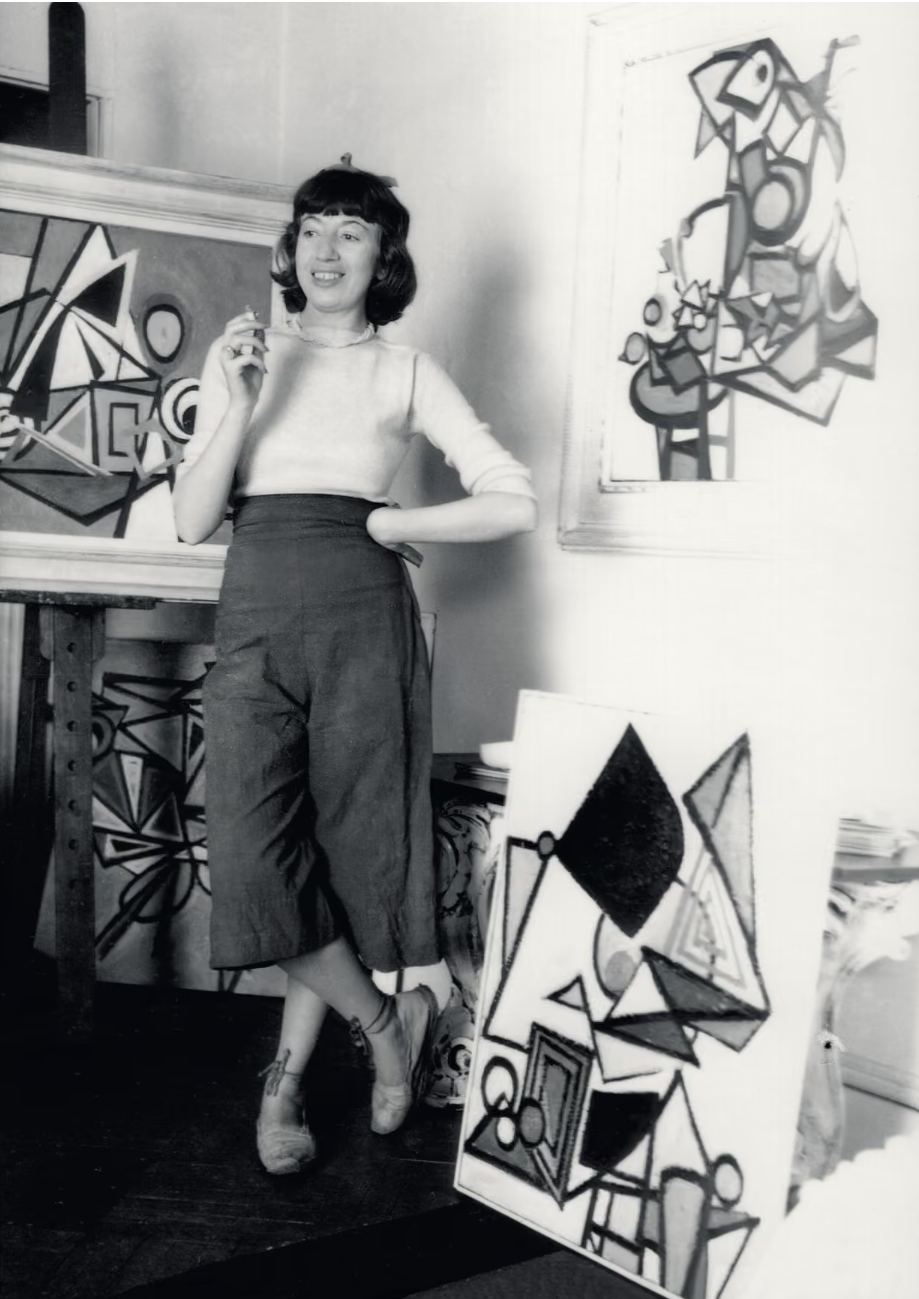
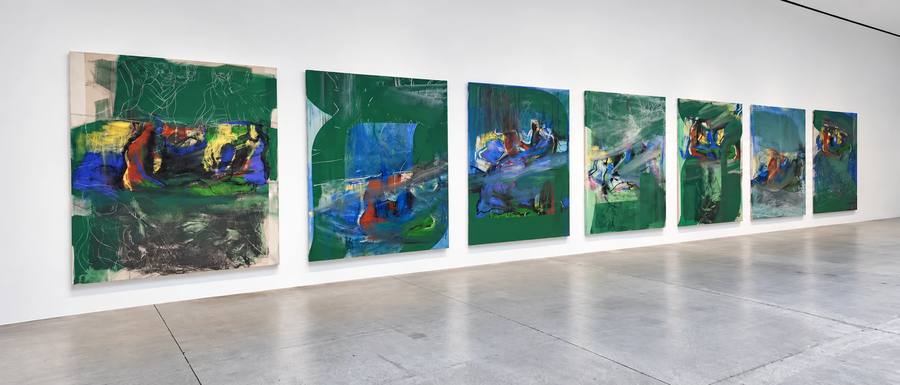
Gagosian · Helen Frankenthaler
Large abstract color-field paintings by Helen Frankenthaler at Gagosian

גלריה Gagosian מציגה אחת האמניות הבולטות של האבסטרקט האמריקאי של המאה ה-20, Helen Frankenthaler, עם 20 מהציורים הגדולים והנועזים ביותר שלה. בתצוגה עד 2.7

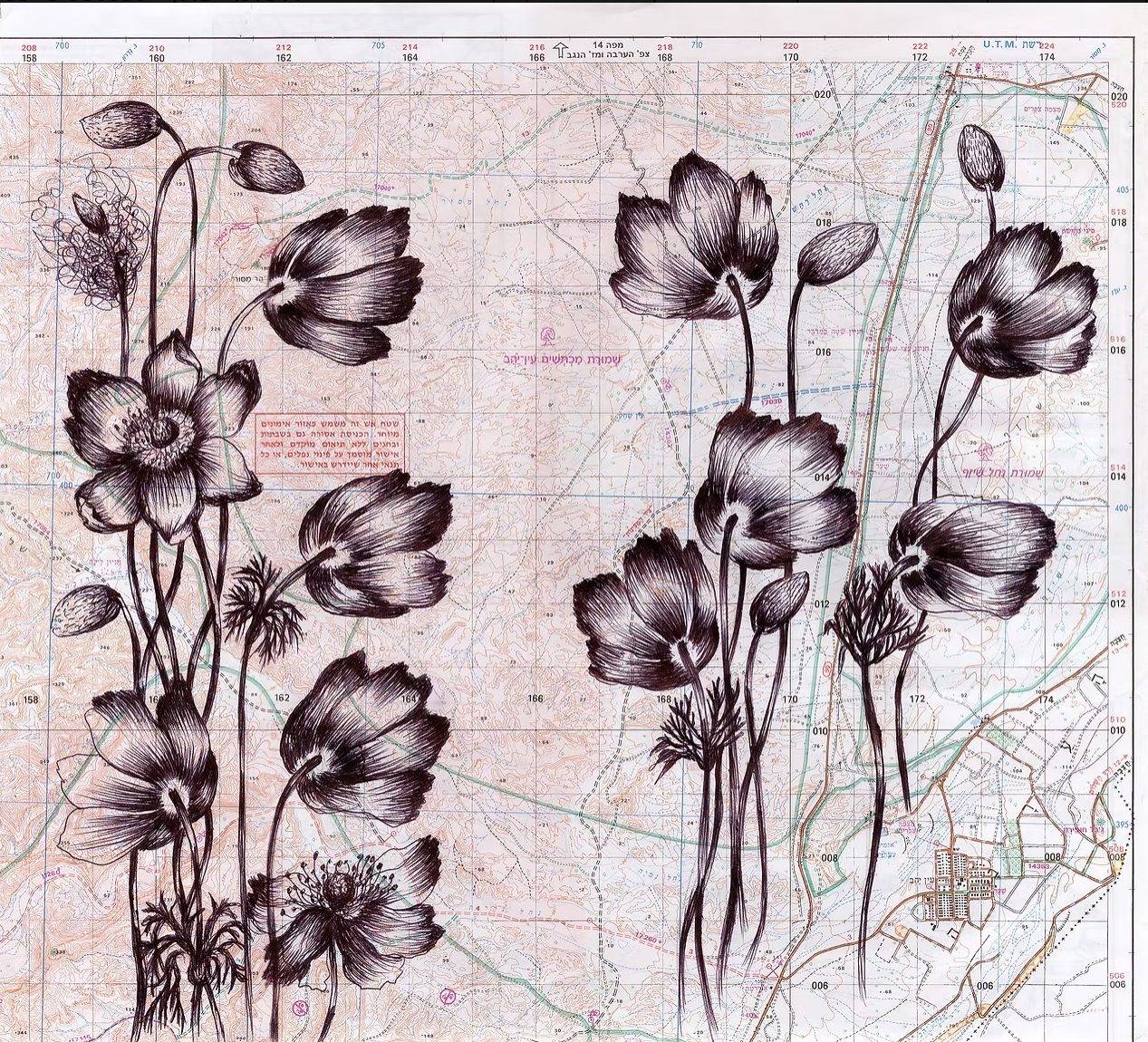
Hauser & Wirth · Firelei Báez
Firelei Báez, fantastical figures painted over colonial maps and historical documents

בגלריה של Hauser & Wirth, בין הגלריות האהובות עלי בעיר, מוצגות עבודות של האמנית הדומיניקנית firelei báez, הידועה בשכבות הדמויות הפנטסטיות על גבי מפות קולוניאליות ומסמכים היסטוריים, ובפעם הראשונה היא תציג גם פסלי ברונזה. עד ה־31.7

David Zwirner · Gerhard Richter
Gerhard Richter, a blurred photo-realist seascape beside an abstract painting at David Zwirner

בגלריה David Zwirner תרצו לראות את תערוכת גרהרד ריכטר, אחד האמנים החיים היקרים בעולם, עם ציוריו הפוטוריאליסטיים המטושטשים לצד הציורים האבסטרקטיים שלו. היום, יערוך בית המכירות כריסטיס מכירה פומבית של אוסף הגלריסטית מריאן גודמן שנפטרה בינואר האחרון בגיל 97 והותירה אחריה אוסף אמנות מרשים במיוחד. 7 ציורים של ריכטר יועמדו למכירה ויתכן שנצפה בשיא חדש לאמן חי היקר בעולם.

Nino Mier Gallery · Jess Allen
Jess Allen, quiet figurative paintings with charged light and shadow at Nino Mier Gallery

ב־Nino Mier Gallery מוצגת התערוכה Suspending Time של Jess Allen. אלן יוצרת ציורים פיגורטיביים שקטים ואינטימיים, עם דמויות, צללים וחללים טעונים פסיכולוגית, שמרגישים כמעט קולנועיים. התחושה היא של רגע בין זיכרון, התבוננות פנימית ותחושת זמן מושהה. התערוכה מוצגת עד 13 ביוני.

May is the biggest month for art in New York. New York's big art fair week closed last week, with fairs like Frieze Art, home to the city's biggest and most powerful galleries, intriguing fairs like NADA (New Art Dealers Alliance), a fair dedicated to young galleries, new voices, and experimental contemporary art, and the Independent Art Fair, a more intimate fair focused on curated presentations and quality solo shows. But the city is still full of exhibitions very much worth seeing.

The Frick Collection · Gainsborough
Gainsborough portraits on the deep green walls of the Frick Collection

🎨 For lovers of classical art, The Frick Collection presents Gainsborough: The Fashion of Portraiture, which explores the connection between Thomas Gainsborough's portraits and fashion, status, and visual culture in 18th century England. A beautiful exhibition of stunning portraits, on view through May 25. In general, this is one of my favorite museums in the city, and it holds several masterpieces of art history. An impressive achievement for a relatively small museum.

The Metropolitan Museum · Costume Art
Historic and contemporary dress shown beside classical sculpture at the Met

👗 And speaking of fashion, at The Metropolitan Museum of Art the spring exhibition has opened in the new Conde Nast galleries. Costume Art, from the museum's fashion department, sets out to examine the relationship between fashion and art through "the dressed body," presenting historical and contemporary garments alongside paintings, sculptures, and objects from the museum's collections. It is an especially impressive exhibition even for those who would not call themselves "fashion people," because it deals not only with clothes but with identity, body, representation, and visual culture. On view through January 10, 2027.

🖼️ The selection in the galleries right now is so good that narrowing it down was a very hard task, but here are the exhibitions I believe you must see!

Gagosian · Helen Frankenthaler
Large abstract color-field paintings by Helen Frankenthaler at Gagosian

Gagosian presents one of the leading artists of 20th century American abstraction, Helen Frankenthaler, with 20 of her largest and boldest paintings. On view through July 2.

Hauser & Wirth · Firelei Báez
Firelei Báez, fantastical figures painted over colonial maps and historical documents

At Hauser & Wirth, among my favorite galleries in the city, are works by the Dominican artist Firelei Báez, known for layering fantastical figures over colonial maps and historical documents, and for the first time she will also show bronze sculptures. Through July 31.

David Zwirner · Gerhard Richter
Gerhard Richter, a blurred photo-realist seascape beside an abstract painting at David Zwirner

At David Zwirner you will want to see the Gerhard Richter exhibition, one of the most expensive living artists in the world, with his blurred photorealist paintings alongside his abstract works. Today, Christie's holds an auction of the collection of the gallerist Marian Goodman, who passed away this past January at 97 and left behind an especially impressive art collection. Seven Richter paintings will be offered, and we may see a new record for the world's most expensive living artist.

Nino Mier Gallery · Jess Allen
Jess Allen, quiet figurative paintings with charged light and shadow at Nino Mier Gallery

Nino Mier Gallery presents Suspending Time by Jess Allen. Allen creates quiet, intimate figurative paintings, with figures, shadows, and psychologically charged spaces that feel almost cinematic. The feeling is of a moment between memory, introspection, and a sense of suspended time. On view through June 13.

Welcome to Art Radar

שלום לכל המצטרפים והמצטרפות 👋

למי שלא מכיר/ה אותי, אני סתיו תאודור קמחי, אוצרת ויועצת אמנות. עברתי לטנפליי לפני שנה וחצי עם בעלי ושני הבנים שלנו (5 ו-7), ומאז אני מגלה שוב ושוב כמה סצנת האמנות באזור שלנו עשירה, מסקרנת ואינסופית.

פתחתי את הקבוצה הזו כדי לעשות סדר ולשתף את הדברים שבאמת שווה להכיר, בלי להרגיש שצריך לעקוב אחרי מיליון מקומות או לטבוע במידע.

בכל שבוע אשתף כאן המלצות על תערוכות, פתיחות גלריה, מיצבים ציבוריים, ירידי אמנות, אירועים במוזיאונים (גם לילדים), וכל מה שנראה לי מעניין ושווה יציאה. לפעמים זו תהיה רשימה ארוכה, לפעמים המלצה אחת מדויקת ונראה יחד לאן זה יתפתח 🙂

בקיץ אשתף גם המלצות אמנות בישראל, למי שקופץ לביקור מולדת 🇮🇱

שמחה שאתם פה, ובקרוב הפוסט הראשון יוצא לדרך 🚀

Stav reflected in a mirror artwork at a gallery
Stav, reflected in a mirror work between the galleries.

Hello to everyone joining 👋

For those who don't know me, I am Stav Theodor-Kimhi, an art curator and advisor. I moved to Tenafly a year and a half ago with my husband and our two boys (5 and 7), and since then I keep discovering, again and again, how rich, intriguing, and endless the art scene in our area is.

I opened this group to bring some order and share the things that are truly worth knowing, without feeling you have to follow a million places or drown in information.

Every week I will share recommendations here for exhibitions, gallery openings, public installations, art fairs, museum events (for kids too), and anything that looks interesting and worth going out for. Sometimes it will be a long list, sometimes one precise recommendation, and we will see together where it goes 🙂

In the summer I will also share art recommendations in Israel, for anyone hopping over on a home visit 🇮🇱

Happy you are here, and the first post is on its way soon 🚀

Stav reflected in a mirror artwork at a gallery
Stav, reflected in a mirror work between the galleries.

Questions

What does an art curator do for a private residence?

An art curator for private residences guides the entire process: developing an art concept for the space, sourcing works from galleries and artists, selecting pieces that fit the design and the client's sensibility, and overseeing installation. The goal is art that feels right for that specific home and person.

How does THEODORA's art advisory service work?

THEODORA handles the full process from start to finish. It begins with understanding the space and the client, then moves through art concept, sourcing, selection, and installation. Every recommendation is specific to that project. No two clients receive the same answer.

Do you work with interior designers and architects?

Yes. A significant part of THEODORA's practice is working alongside architects and interior designers on behalf of their clients. Stav speaks the language of design and understands how art must function within a larger design intent, not on top of it.

Where does THEODORA provide art advisory services?

THEODORA is based in New York City and New Jersey, serving the greater New York luxury market. Stav also works on projects in Tel Aviv and has experience with large-scale international hospitality commissions. Projects are evaluated individually regardless of location.

How do I know which art is right for my space?

That is exactly what the advisory process is for. Stav listens first, then looks: at the space, the light, the design, and the person living in it. The right piece is not about price or trend. It is about whether it resonates with this specific space and this specific person.

What exhibitions are worth seeing in New York right now?

Art Radar, THEODORA's curatorial newsletter, publishes weekly picks of must-see exhibitions in New York, New Jersey, and Tel Aviv, chosen by Stav Theodor-Kimhi, an art curator with two decades of experience. Every post is published in Hebrew and English. The full archive is available at stavtheodor.com.

Where can I find art recommendations for New Jersey and the New York area?

Art Radar by THEODORA is a curated guide to art in New Jersey and New York, written by Stav Theodor-Kimhi, an art curator based in Tenafly, NJ. It covers exhibitions at the Met, MoMA, the Guggenheim, the Frick, Park Avenue Armory, and New York galleries, plus New Jersey venues like the Montclair Art Museum and practical tips such as free museum passes from Bergen County libraries. Posts are published in Hebrew and English at stavtheodor.com.